Supreme Court Ruling and the Future of Birthright Citizenship Policies
The recent Supreme Court decision limiting the power of judges to issue broad, nationwide injunctions is sparking renewed debates over birthright citizenship. In a case swirling with legal twists and turns, challengers quickly pivoted to seek relief through alternative legal means. This opinion editorial takes a closer look at the ruling, the subsequent legal maneuvers, and the potential long-term impact on birthright citizenship and related policies.
Understanding the Court’s Decision to Limit Nationwide Injunctions
The court’s ruling represents a pivotal moment in legal battles surrounding executive actions. For decades, federal judges have sometimes managed to block executive policies with sweeping orders that have had effects far beyond a single case. However, in this instance, the Supreme Court has reined in that ability. By stating that judges cannot extend a “universal injunction” across the nation on many cases, the decision fundamentally changes how legal challenges against executive policies may be managed in the future.
This move is seen by many commentators as a way to prevent what some believe are overly broad rulings that touch on issues far beyond the immediate dispute:
- It limits the power of local judges from having a nationwide influence on policy.
- It forces states and litigants to explore new legal avenues – notably class action lawsuits – in order to secure broader relief.
- It calls into question how the courts will handle similar issues where the geography of impact is national rather than local.
For those following the developments with a watchful eye, the ruling shows that the legal system is trying to balance judicial oversight with the realities of nationwide policy debates.
Birthright Citizenship under the 14th Amendment: Legal Twists and Turns
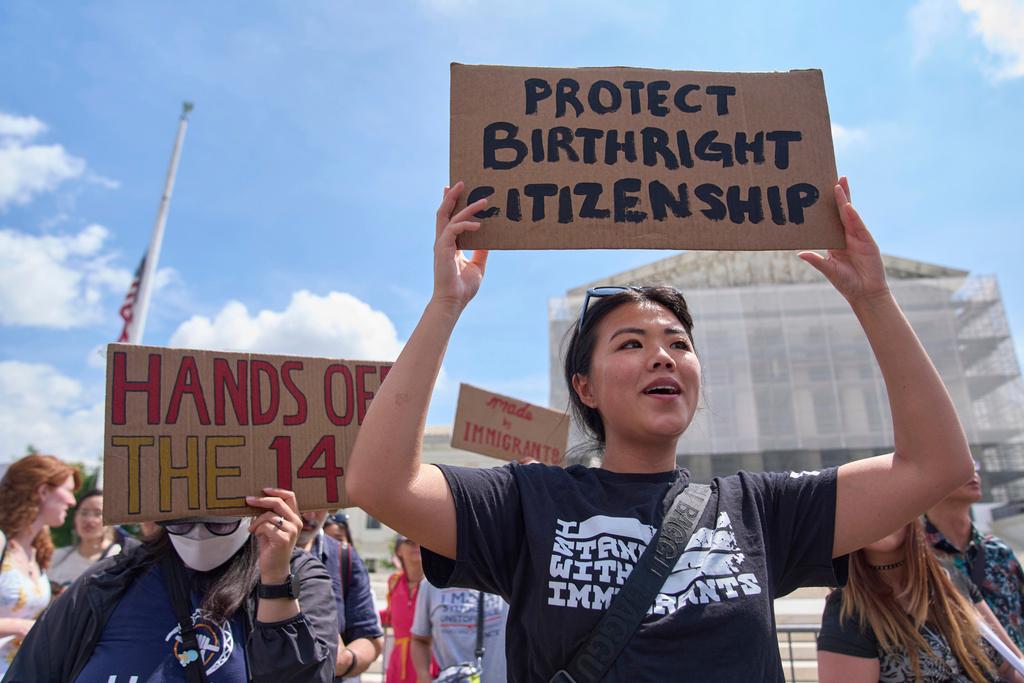
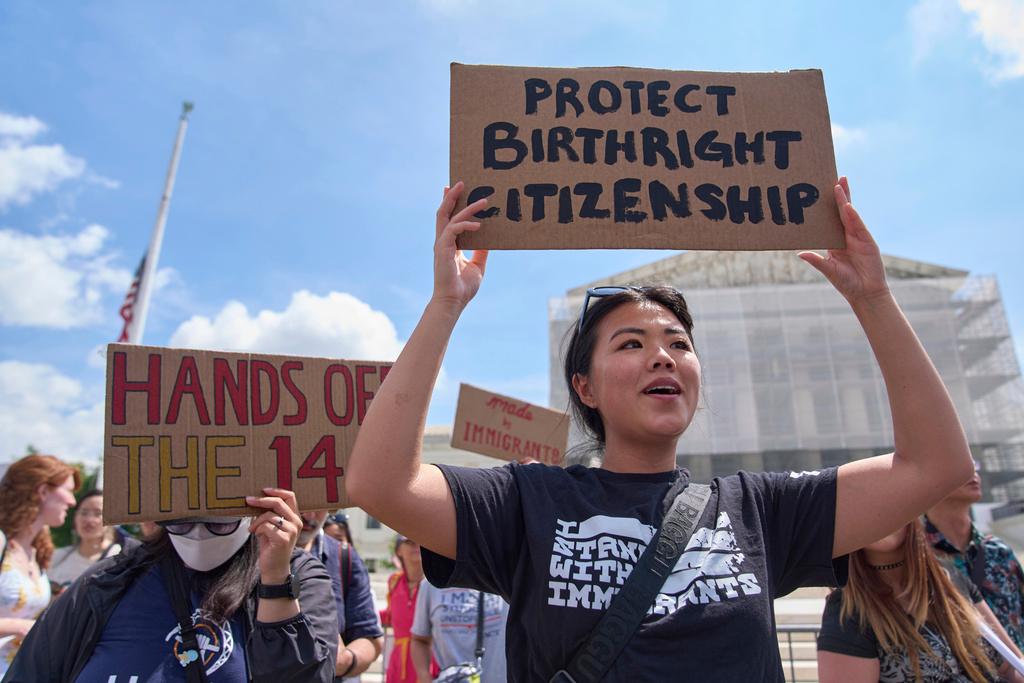
At the heart of the debate is the Constitution’s 14th Amendment and its long-standing interpretation that anyone born on U.S. soil is automatically granted citizenship. The executive order at issue sought to limit this birthright citizenship to those with at least one parent who is a U.S. citizen or permanent resident. For many, this represents a dramatic departure from the conventional understanding upheld by numerous court decisions over the years.
Critics of the proposed policy argue that it not only disregards established constitutional principles but also threatens the foundational values of equal protection under the law. This legal interpretation is now at the center of heated discussions in courtrooms and public forums alike. Some of the tricky parts include:
- Determining whether the executive order is aligned with or contradicts the Constitution as understood by historical precedent.
- Unpacking the tangled issues of how political power can influence the interpretation of constitutional guarantees.
- Assessing the broader impact of such policies on both the immigrant community and the nation’s legal landscape.
Legal experts have noted that while some dissenters claim the policy is a reimagining of immigration law, many see it as a direct violation of a right long embedded within American jurisprudence. In this environment, every subtle detail and little twist in the language of the order is being scrutinized, making the legal debate more charged and politically sensitive.
Exploring the Shift to Class Action Lawsuits
In the wake of the ruling that curtailed nationwide injunctions, challengers wasted little time in shifting tactics. Instead of pursuing traditional injunctions, legal teams are speeding up efforts to initiate class action lawsuits on behalf of affected groups. The American Civil Liberties Union (ACLU) has already filed a significant lawsuit in New Hampshire representing immigrants and their families who believe that the potential new policy would strip their children of birthright citizenship rights.
The Maryland case, in particular, exemplifies this shift. Lawyers involved there filed an amended complaint aimed at certifying a nationwide class of people whose lives could be impacted should the executive order go into effect. The strategy encapsulates several key points:
- By seeking class-wide relief, plaintiffs hope to overcome the limitations placed on local judges issuing broad injunctions.
- The approach seeks to address both immediate and long-term consequences for individuals, encompassing babies born today and those yet to come.
- It also aims at a comprehensive remedy that could potentially secure a nationwide injunction against the policy if it is found to violate the Constitution.
In a commentary on the matter, Justice Brett Kavanaugh himself suggested that class action lawsuits can sometimes provide the broad relief needed when predefined boundaries of injunctions simply do not suffice. It’s a legal maneuver that, while not without its nerve-racking challenges, appears to be gaining traction among those opposed to the executive order.
Legal Perspectives: Weighing the Arguments Over Birthright Citizenship
Throughout the debate, legal voices have been both critical and supportive of the administration’s stance. On one hand, ACLU lawyer Cody Wofsy has argued that every court reviewing the order deemed it unconstitutional. On the other hand, some legal professionals assert that this is merely a matter of varying expertise on how broadly executive orders can extend their reach.
By examining the case in detail, we come across several confusing bits and complicated pieces:
- The question of whether a class action lawsuit can indeed achieve the same broad injunction as the previously struck down nationwide injunctions.
- The extent to which state governments can independently pursue such relief, considering state-level constraints on filing class action suits.
- The potential for creating a precedent where similar cases in the future might leverage class-wide relief to address nationwide policy concerns.
This legal tug-of-war has resulted in a scenario where every subtle detail of the legal arguments is being pigeonholed and debated. While Justice Amy Coney Barrett’s opinion cautiously suggested that class actions might still allow for sweeping relief, the discussion continues to be on edge as the courts balance judicial restraint with the responsibility to provide recourse for those affected by policy changes.
Policy Implications of Curtailing Nationwide Injunctions
The decision to limit broad injunctions has repercussions that stretch well beyond the specific issue of birthright citizenship. It introduces a model that could influence how the courts handle nationwide policies, particularly those that have far-reaching impacts which extend beyond local borders. In practice, the ruling implies that executive orders and policies might now have to weather a more fragmented legal challenge process.
This outcome can be analyzed from multiple angles:
- Broader Access to Justice: Critics argue that restricting universal injunctions might limit the immediate protection for affected groups, leaving many individuals to seek relief on their own rather than as part of a larger, coordinated effort.
- Potential Fragmentation of Legal Challenges: By requiring relief to be sought through more localized legal efforts such as class actions, there is a possibility that similar cases might be handled in vastly different ways across jurisdictions.
- Implications for Future Executive Orders: The ruling could embolden administrators to pursue controversial policies with the expectation that judicial reviews will now be less likely to yield nationwide remedies.
The long-term impact of this shift is still unclear, but one thing is evident: it has reshaped the tactical landscape for both branches of government and legal advocates alike. It underscores the importance of figuring a path through complex legal terrains and adapting strategies as the judiciary redefines the boundaries of injunction power.
Shifting Strategies: How Class Actions Could Redraw Legal Boundaries
Given the ruling’s restrictions on conventional injunctions, legal teams are now increasingly exploring class action lawsuits. This move is significant for several reasons:
- Expanding the Remedy: Class actions offer a route to secure relief on behalf of a broad spectrum of individuals, potentially overcoming the limitations of piecemeal state-by-state litigation.
- A Multifaceted Approach: Legal practitioners are looking to redress both immediate challenges and create a long-term remedy that might set a new national legal standard.
- Addressing Future Generations: The strategy is not only aimed at tackling present grievances but is also forward-thinking, potentially affecting the lives of children yet to be born.
Consider the table below, which outlines key differences between the old approach of nationwide injunctions and the new emphasis on class action suits:
| Aspect | Nationwide Injunctions | Class Action Lawsuits |
|---|---|---|
| Scope | Universal relief across entire nation | Relief for identified classes with defined eligibility |
| Judicial Power | Broad judicial intervention that covers multiple states | More focused, case-by-case relief that may vary by jurisdiction |
| Legal Complexity | Can be seen as overreaching by creating legal precedents affecting all states | Often involves nuanced arguments and a detailed examination of the affected group |
| Impact on Policy | Potentially halts executive action nationwide | May result in staggered legal outcomes, necessitating additional appeals or revisions |
This table underscores the delicate balance between ensuring prompt justice for those affected and maintaining the judicial restraint necessary to avoid overstepping legal authority. It also illustrates how legal teams are working through these tangled issues and making their case in a manner they believe reflects both constitutional fidelity and contemporary societal needs.
Trump Administration’s Response and Broader Policy Implications
In a news conference following the ruling, President Trump was quick to point out that the decision would pave the way for the administration to resume actions that were previously blocked by nationwide injunctions. The president emphasized that the ruling would allow for the prompt filing of numerous policies he claimed were “wrongly enjoined.”
The policies under consideration are not confined solely to the birthright citizenship debate. Among other measures, the administration has signaled a renewed focus on:
- Withholding federal funding from “sanctuary” jurisdictions that do not cooperate with federal immigration enforcement.
- Advancing an executive order aimed at limiting gender transition care for transgender individuals under the age of 19.
For supporters of these policies, the ruling represents an essential step in allowing the executive branch to effectively implement its agenda by overcoming what they see as an intimidating judicial barrier. The president’s comments also point towards a broader interpretation of the decision – one that extends well beyond the immediate concerns regarding birthright citizenship.
Critics, however, argue that using this ruling as a blanket justification to press forward on a raft of controversial policies is a slippery slope. They caution that the ruling, while curtailing one specific judicial overreach, might inadvertently open the door for other actions that, although legally defensible on one front, might clash with the nation’s long-held principles of equality and justice.
This divergence of opinion highlights the confusing bits and tangled issues that define America’s legal and political struggles today. As policymakers attempt to figure a path through these challenges, every small distinction in legal interpretation now carries substantial weight in shaping public policy. The effects of this decision are, without a doubt, poised to influence the interplay between the judicial system and executive power in profound ways.
Impact on States and the Broader Legal Community
While the focus of the current debate is understandably on the federal executive order and its implications for birthright citizenship, the ruling’s reverberations are being felt at all levels of government. State governments, in particular, have a complex role to play in this unfolding legal drama. Some states have already moved towards filing their own lawsuits to secure broad, sometimes nationwide injunctions against executive actions deemed harmful to their governance and citizenry.
However, the decision raises several practical questions for state litigants:
- Can states effectively represent the interests of all affected citizens if they are limited by the ruling?
- How can states ensure coordination and consistency in legal approaches when the avenues for redress are now more fragmented?
- What are the tactical implications of each state using class action suits rather than seeking a blanket injunction?
The legal community remains divided on these points. Some legal scholars suggest that this approach may inadvertently encourage a patchwork of rulings that differ from state to state, creating a scenario where justice becomes a matter of geography rather than a uniform standard. Others argue that the move will ultimately ensure that relief measures are more finely tailored to the specific needs of affected communities, thereby avoiding a one-size-fits-all solution that might not work in every context.
For state attorneys general and legal teams, the ruling is both a challenge and an opportunity. It forces them to get into the nitty-gritty of legal strategy while also offering a chance to craft bespoke legal remedies that better reflect local conditions. In many respects, this could lead to innovative legal breakthroughs as states and local courts work through the chaotic interplay between federal policy and local governance. The fact that some states remain intent on pursuing nationwide relief—despite the inherent obstacles—demonstrates that these legal disputes are likely to persist for some time.
Legal Community Reactions and the Ongoing Debate
The Supreme Court’s decision has ignited a firestorm of reaction among legal professionals, scholars, and practitioners. While some view the ruling as a necessary corrective to what they see as judicial overreach, others are concerned it might embolden future administrations to take similarly controversial policy stances with the expectation of limited judicial pushback.
In the halls of law schools and at legal conferences, discussions about the ruling have centered on several key topics:
- How the decision might affect the delicate balance between judicial oversight and executive authority.
- The potential long-term consequences for constitutional interpretation, particularly when it comes to rights enshrined in the 14th Amendment.
- Whether the increased reliance on class action suits could lead to inconsistent legal outcomes across different jurisdictions.
Many legal experts believe that, while the ruling may temporarily smooth the path for controversial policies, it ultimately creates a scenario where every legal battle will have to account for fine shades of constitutional interpretation. The legal community is now tasked with steering through these combined elements of statutory law, executive power, and constitutional rights, making every decision count in the final analysis.
This environment, riddled with tension and loaded with political implications, underscores the importance of a careful, measured approach to judicial decision-making. It is a reminder that even as legal advocates work through the challenges posed by this decision, the ultimate measure of its success will lie in how well it upholds the core tenets of American law and democracy.
Looking Forward: Potential Paths and Legal Innovations
In the coming months and years, we are likely to witness a dynamic evolution in how legal remedies for controversial executive orders are pursued. While the ruling has certainly closed one door, it has also opened another, providing an alternative avenue through class action lawsuits. This shift invites several intriguing possibilities:
- Refinement of Legal Strategies: Legal teams may increasingly rely on tailored approaches that address the needs of specific affected groups rather than seeking broad, national remedies. This might lead to a more personalized form of justice that takes into account the local impacts of national policies.
- Heightened Judicial Review: Courts could become more involved in assessing subtle details and fine points of executive actions, a process that both challenges and sharpens the traditional balance between the branches of government.
- Increased Role for State Courts: As states continue to participate actively in filing lawsuits, the role of state courts may become even more critical in shaping national legal norms and establishing precedents for future policy battles.
Below is a summary of potential next steps for legal practitioners in this evolving landscape:
| Area of Focus | Potential Development |
|---|---|
| Class Action Strategies | Innovative legal tactics to certify nationwide classes and secure comprehensive relief |
| State-Level Legal Coordination | Enhanced collaboration among states to create cohesive legal challenges that blur jurisdictional lines |
| Judicial Oversight | Refined standards for reviewing executive orders that balance localized impacts with national significance |
| Constitutional Interpretation | New debates and scholarly work on the 14th Amendment and its application to modern immigration policies |
For legal teams navigating this landscape, every small distinction in their arguments might be critical. The need to shift from broad injunctions to more localized, nuanced legal strategies will require an in-depth understanding of both the letter of the law and the subtle parts—those hidden complexities that only emerge through rigorous analysis.
Reflections on Democratic Principles and Judicial Accountability
Beyond the tactical and legal maneuvering, this case raises profound questions about democratic governance and judicial accountability in America. The principle of birthright citizenship has long been considered a cornerstone of American identity, enshrining the belief that the United States is a nation of immigrants. Altering that foundation through executive complexity is not just a legal issue—it is a political and moral battleground.
Supporters of the executive order argue that reform is necessary for the health of the nation’s immigration system, while opponents contend that it represents an overreach that undermines established constitutional rights. The debate draws attention to several off-putting challenges:
- The potential erosion of a key protective clause in the Constitution.
- The risk of politicizing the judicial process by pressing particular policy reversals.
- The larger implications for social cohesion and the perception of America as a haven of opportunity.
In this context, the ruling must be seen as more than a mere procedural decision; it is a moment that calls for introspection about how we interpret our laws and prioritize our democratic values. As the debate continues to unfold both in courts and in the public arena, legal practitioners and policymakers alike must find a way to work through these delicate issues while staying true to principles that are super important in any democracy.
The Role of the Justice Department in Responding to New Legal Challenges
One of the lingering questions after the ruling is how the Justice Department will respond to these emerging legal challenges. With opponents of the executive order moving fast to file class action suits, the department faces a nerve-racking task of preparing for a legal battle that could impact multiple facets of federal policy. The opinions voiced by legal experts suggest that:
- There may be a carefully calculated response designed to minimize disruptions to the administration’s agenda.
- The department will likely employ a variety of legal strategies to address the points raised by challengers, including appeals to upheld constitutional principles.
- The ultimate approach may require a delicate balancing act between defending the executive order and addressing future legal claims that could carve out exceptions to the ruling.
How the Justice Department structures its response could provide a roadmap for similar cases in the future. The process will almost certainly involve a deep dive into historical legal precedence, a poke around for relevant statutory language, and a careful examination of the hidden complexities inherent in any executive action that affects fundamental rights.
Implications for Future Supreme Court Decisions and Legal Precedents
The recent ruling adds another layer to the evolving narrative of how the Supreme Court interacts with executive power. It could set a precedent that influences how future cases are decided. Observers are already weighing the possibility that this approach might be used in other scenarios where nationwide injunctions have been a tool for immediate legal relief.
Key considerations for future legal precedents include:
- Ensuring that judicial remedies do not inadvertently grant excessive power to individual judges over national policy.
- Maintaining a clear and consistent standard for when and how court orders can be extended nationwide.
- Balancing the need to protect vulnerable groups against the desire to preserve a clear separation of powers in governmental decision-making.
As legal arguments are refined and new cases emerge, the Supreme Court’s decision will serve as a reference point. The fine points of this case—the small distinctions in legal language and the subtle parts of its application—are likely to be dissected and analyzed by legal scholars for years to come. It is incumbent upon both the judiciary and legal practitioners to figure a path that respects the Constitution while also adapting to the modern realities of governance.
Conclusion: Charting a Path Through Legal and Political Uncertainties
In conclusion, the Supreme Court ruling that curtails the use of nationwide injunctions marks a significant turning point in how contentious policies, such as changes to birthright citizenship, are challenged and reviewed. It has prompted legal teams to adopt new tactics—most notably class action lawsuits—that promise to reshape the landscape of judicial remedies.
This decision, with all its subtle details and challenging twists and turns, is a reminder that the legal system is as much about managing change as it is about preserving core principles. Both supporters and detractors of the proposed policies have shown that even when courts believe that an order is unconstitutional, the fight over its implementation is far from over.
As the debates continue, several key observations emerge:
- Legal challenges will increasingly require innovative responses that are tailored to both local and national dimensions.
- States and the Justice Department must brace for a period of intense legal maneuvering as definitions of constitutional rights become even more central to the discussion.
- The evolution of legal strategies—shifting from nationwide injunctions to class action suits—illustrates the resilience of the judicial process in adapting to changing political realities.
The path forward is both complex and intimidating, filled with nerve-racking questions about the balance between executive power and judicial oversight. Yet, it also offers a fascinating opportunity: a chance for legal practitioners, policymakers, and the public to engage with the little details of our Constitution in a way that reinforces our commitment to justice, democracy, and fairness.
Ultimately, this case serves as a stark reminder that our legal system is continually evolving. As we witness states, courts, and the Justice Department work their way through these challenging issues, the story of birthright citizenship—and indeed, the very definition of what it means to be American—enters a new and compelling chapter. The days ahead will likely be marked by ongoing debates, fresh legal strategies, and innovative approaches to resolving some of the country’s most tangled issues in immigration law. For anyone with a stake in our national identity, this is a moment that will be studied, contested, and remembered for years to come.
In the midst of all these changes, one thing remains clear: while the executive branch may press forward with proposals that trigger intense public and legal scrutiny, the courts and legal advocates will continue to find creative ways to ensure that every individual’s rights are respected. Whether through class action suits or other innovative legal strategies, the fight to protect constitutional guarantees continues—a battle that is as essential as it is challenging in our ever-changing legal landscape.
Originally Post From https://www.nbcnews.com/politics/supreme-court/supreme-court-birthright-citizenship-ruling-sparks-new-legal-fights-rcna215626
Read more about this topic at
Supreme Court, in birthright citizenship case, limits judges’ …
Birthright citizenship unresolved after Supreme Court ruling
