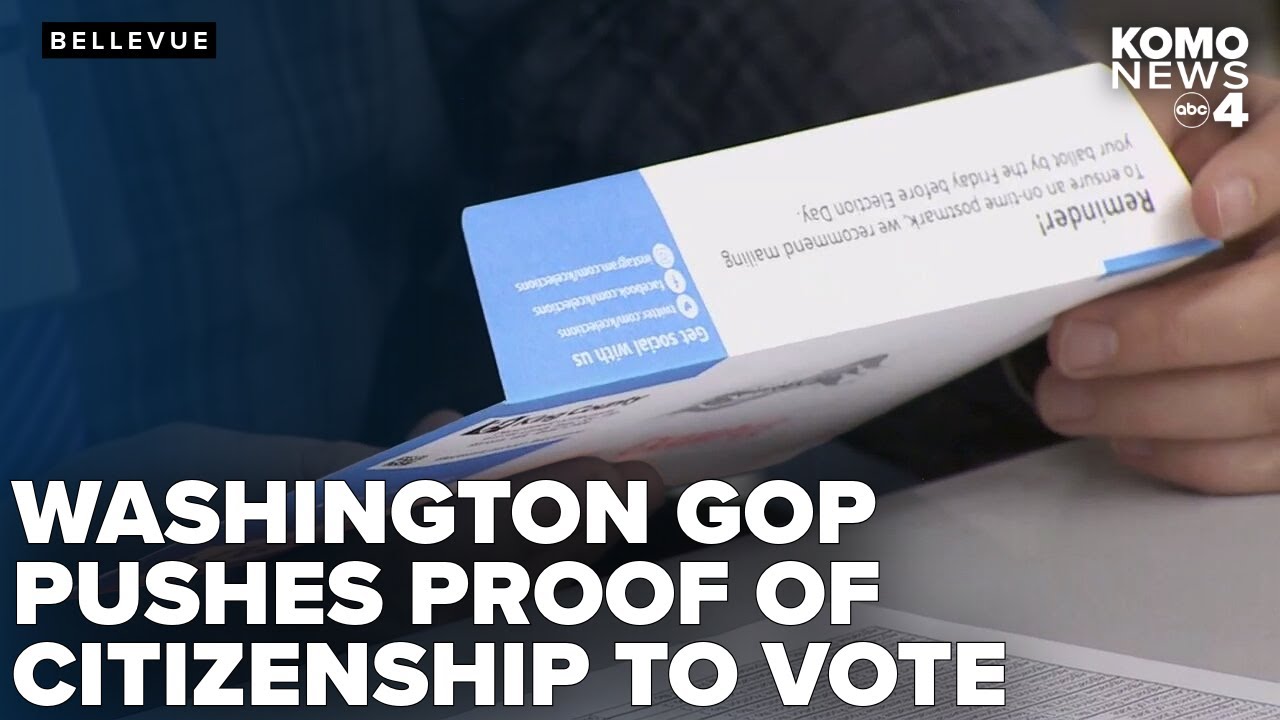

Introduction: Washington’s Shift in Voter Registration Protocol
The state of Washington is confronting a significant change in its voter registration process. A ballot measure proposed for 2026 would require residents to prove their U.S. citizenship when registering to vote. This change, driven by Republican leadership, has already stirred debate across political and civic circles. In this opinion editorial, we take a closer look at this development, examining key aspects such as the new document requirements, the impact on new and existing voters, legal challenges, and the political context behind the measure.
Understanding the New Proof of Citizenship Requirement
The proposed measure would amend the current voter registration system, which currently only requires citizens to affirm their status by checking a box on the registration form. Under the new proposal, individuals registering to vote for the first time must provide an enhanced driver’s license, an enhanced identicard, or another acceptable form of identification such as a passport or a birth certificate. This adjustment is designed to ensure that only verified citizens are added to the voter rolls.
Supporters of the measure argue that the changes are a reasonable way to confirm citizenship and ensure the legitimacy of the voting process. However, critics worry that the additional steps could create hurdles for residents and may inadvertently disenfranchise some voters who find it difficult to obtain the required documents.
Documenting Citizenship: Acceptable Forms and Procedures
A critical part of this measure involves establishing which documents will be deemed acceptable for proving citizenship. The requirement is clear: a new voter must either present an enhanced driver’s license or enhanced identicard at the county auditor’s office, or submit one of several other forms of identification. This list includes traditional documents like passports and birth certificates. Table 1 below provides an outline of these acceptable documents.
| Document | Description |
|---|---|
| Enhanced Driver’s License | A state-issued driver’s license that includes additional security features and a proof of identity. |
| Enhanced Identicard | An identicard with updated safeguards designed to prove identity and citizenship. |
| Passport | A federal document that verifies both identity and citizenship. |
| Birth Certificate | A record issued by the vital statistics agency showing birth details confirming citizenship. |
This list underscores the sharp focus on identity documents that exhibit tangible proof. In addition, the measure gives county auditors until July 1, 2027, to coordinate with the state Department of Licensing. During this period, they will confirm which existing voters already have an enhanced driver’s license or identicard. Voters who lack such documentation will have to provide one of the acceptable alternatives to confirm their eligibility.
Steps for New Voters: A Closer Look at the Process
For residents registering to vote for the first time, the process will involve a combination of completing the voter registration form and providing the necessary documentation. The required steps are designed to be straightforward, but they may also introduce extra levels of bureaucracy:
- Fill out the voter registration form, confirming personal details and citizenship.
- Present an approved document such as an enhanced driver’s license, enhanced identicard, passport, or birth certificate at the county auditor’s office.
- Have the identity verified and the proof of citizenship recorded as part of the registration process.
While the steps are clearly laid out, the additional paperwork has been described by detractors as “confusing bits” and “complicated pieces” of a process that could deter potential voters. The measure aims to add a layer of security, but it may also complicate what was once a relatively simple process.
Handling the Impact on Existing Voter Registrations
Perhaps one of the most controversial aspects of the proposed initiative is its effect on those already registered to vote. Under the new regulation, all current voters who do not have one of the acceptable forms of identification will be required to provide proof of citizenship by the November 2027 election. This has several immediate implications:
- Existing voter records could be purged if the required documentation is not provided within the given deadline.
- County auditors are obliged to send out reminder notices and ensure that all registered voters are aware of the requirements.
- The system places a time limit on compliance, which some view as an off-putting, nerve-racking change for voters who may face challenges in obtaining the necessary documents.
This aspect of the measure raises critical questions: Will long-time residents be able to update their records in time, and how might this affect voter turnout in future elections? Critics argue that the measure may lead to an unintended yet significant removal of eligible voters from the rolls. Such potential disenfranchisement is a central concern among opponents of the initiative.
Legal Interpretations and Recent Judicial Decisions
The legal battle over voter registration requirements in Washington is already beginning to take shape in the courts. In a recent ruling, Thurston County Superior Court Judge John Skinder ordered that the description of the measure on the ballot be amended. The initial wording, which stated the measure “concerns voter registration requirements,” was deemed too vague after being challenged by members of immigrant rights groups.
Following a complaint from OneAmerica—an organization advocating for immigrant rights—the judge modified the ballot title to clarify that the amendment applies to both new applicants and existing registered voters. The revised wording, “concerns heightened voter registration requirements for applicants and currently registered voters,” was praised by some as it captures the full scope of the proposal. This change represents an important adjustment that could have both legal and practical implications.
Critics highlight that such judicial directives expose the measure to a tangled web of legal disputes. The challenges also reflect broader concerns about how such requirements could lead to disenfranchisement, especially among groups that may face additional hurdles when trying to obtain acceptable documentation.
Political Dynamics Behind the Initiative
The origins of the proposal are firmly rooted in the current political landscape. Republican state lawmakers, including influential figures like Jim Walsh—chair of the Washington State Republican Party—are leading this initiative. Walsh, who introduced Initiative to the Legislature 126 (IL-26), has emphasized that the measure is strictly about confirming citizenship and does not directly affect how or when those registered vote.
Supporters of the measure argue that this step is essential in maintaining the integrity of elections by verifying that all voters are indeed citizens. They reference an executive order issued by former President Donald Trump, which broadly encouraged states to require proof of citizenship in voter registration. Although that order is now stalled due to legal battles, its echoes are clearly visible in this initiative.
Opponents, however, view this push as politically charged. They contend that moving to validate citizenship through documentation could be seen as a strategy to limit voter participation among groups that traditionally have lower rates of document possession. The political debate thereby extends beyond the administrative details to touch on issues of voter access, representation, and the role of government in ensuring fair electoral participation.
Comparisons with Federal Initiatives and National Trends
This initiative in Washington mirrors a broader national discussion about voter verification standards. Other states have experimented with various forms of proof-of-citizenship laws in recent years, and the debate is rife with concerns about whether such measures strengthen electoral integrity or inadvertently hinder voter participation.
Federal Executive Orders and State-Level Reactions
Notably, the executive order issued by former President Trump sought to tie federal funding to states’ adoption of stricter voter registration protocols, including proof-of-citizenship requirements. Although federal intervention has largely been halted by legal challenges, it has nonetheless seeded a movement at the state level. Washington’s initiative is among several that have been introduced as part of a wave of measures aimed at overhauling voter registration.
Each state’s approach reveals subtle details about its political priorities. In some states, similar initiatives were quickly dismissed after widespread public protests and legal setbacks, while others pushed forward with modifications to address the concerns raised by opponents. Washington’s initiative, with its mandatory documentation and clear deadlines, is a reflection of these national trends and the ongoing tug-of-war between different interpretations of voter integrity.
Long-Term Implications for Voting Rights
The long-term implications of such measures are difficult to predict. Proponents believe that verifying citizenship at the time of registration is a key safeguard against fraud and an essential aspect of a sound electoral process. Opponents, however, warn that the added bureaucracy could lead to the unintended exclusion of eligible voters.
Some of the fine points the debate hinges upon include:
- Accessibility: How easily can all eligible voters acquire the required documents?
- Implementation: Are county auditors and state agencies equipped to handle the new verification process?
- Transparency: Will the process be transparent and consistent, ensuring that no valid voter is unfairly removed?
- Political Impact: Does the initiative advantage one political side over another by disproportionately affecting certain demographic groups?
These questions highlight the multiple twists and turns inherent in balancing electoral integrity with accessible voting—issues that extend well beyond the borders of Washington state.
Public Reactions and Challenges in Implementation
One of the more contentious issues surrounding this proposal is the potential for confusing bits of bureaucracy that may affect voter enthusiasm and overall turnout. Several advocacy groups have expressed their concerns about how inconvenient or intimidating the new process might be, especially for populations that already face challenges in accessing government services.
Critics point out that:
- The requirement to produce additional documentation could deter individuals who face obstacles such as language barriers, limited access to transportation, or other socio-economic challenges.
- The administrative burden on county auditor offices might lead to delays and errors, further complicating the registration process.
- The time constraints imposed—whereby existing voters must act by a specific deadline—could lead to an overwhelming situation where many are left off the rolls simply due to procedural hurdles.
Advocacy groups assert that the measure may harm the democratic process by leaving behind voters who are already vulnerable. These groups stress that every eligible voter, irrespective of background, must have a super important opportunity to participate in the democratic process.
It is essential, therefore, for state officials to consider these off-putting factors and work to ensure that the new rules do not inadvertently create a system loaded with problems. Community outreach, improved public education regarding the process, and adequate support at registration centers could be key strategies in mitigating these concerns.
Addressing the Concerns of Minority and Underrepresented Communities
The debate over this initiative has significant implications for minority and underrepresented communities. In many cases, residents in these communities may find it particularly challenging to secure the required documentation promptly. For these individuals, the extra paperwork required can seem like an overwhelming demand.
Some specific issues include:
- Language Barriers: Non-English speakers might have difficulty understanding the requirements and the process for submitting additional documents.
- Access to Government Offices: Rural or economically disadvantaged urban areas may not have easy access to county auditor offices, delaying or preventing the necessary verification.
- Financial or Logistical Barriers: The process of obtaining documents like passports or enhanced driver’s licenses can be expensive and time-consuming for some residents.
These challenges suggest that state and local governments must consider strategies for easing the process—for instance, providing multilingual support, establishing mobile registration centers, or extending deadlines for document submission.
Ensuring that all eligible voters, regardless of their background, have a fair chance to comply is a key issue that lawmakers and election officials will need to address if the measure is approved. The tiny details of the process, if handled without proper care, could be perceived as barriers rather than safeguards.
Political Debate: Balancing Integrity with Accessibility
The discussion around mandatory proof of citizenship in voter registration is emblematic of a larger national debate. On one hand, there is a super important need to ensure that the electoral process is fair and that only eligible citizens cast ballots. On the other hand, there is a risk that the administrative requirements imposed by such measures may unnecessarily burden voters.
Supporters argue that this verification process is a logical step in ensuring that each vote cast is legitimate and that the electoral process remains secure. Politicians like Jim Walsh have consistently pointed out that this measure does not impact how votes are cast—such as the option for mail-in voting—but rather focuses solely on the registration process.
Critics, however, have thoughtfully articulated their concerns regarding the potential for voter disenfranchisement. They maintain that the new requirements could lead to a significant purge of voter rolls—a move that might disproportionately affect those who already experience difficulties in accessing government services. The political debate, therefore, rests on fine shades: Is it more important to ensure strict verification, or should accessibility and ease of registration take precedence?
This situation is a prime example of how political priorities can sometimes lead to a scenario where the need for security and the need for inclusiveness end up in a tense standoff. The discussion is, unsurprisingly, loaded with issues and continues to be a point of contention among different political factions.
Evaluating the Administrative Challenges and Bureaucratic Hurdles
The introduction of a new requirement for proof of citizenship is not just a political statement; it has practical administrative implications as well. County auditors are now tasked with a new responsibility—to verify existing registrations and ensure that all voters meet the enhanced documentation requirements before the November 2027 election.
This means that state and local election officials must work closely together, coordinate extensive outreach efforts, and be prepared for a potential surge in inquiries as voters navigate these added twists and turns. The administrative process may involve:
- Additional training for county auditors and staff to accurately review documents.
- Upgrading technological systems to manage and track documentation status for thousands of voters.
- Implementing a reliable reminder system to notify voters who have not submitted the necessary proof.
While these measures are intended to support the implementation of the new rules, they also represent another layer of bureaucracy that could bog down the process. Residents attempting to figure a path through the new requirements may encounter delays or errors, suggesting that careful planning and ample resources will be crucial.
For the initiative to succeed without impeding voter rights, state officials will need to address these bureaucratic hurdles head-on. This means providing clear guidance, robust technical support, and ample time for both voters and officials to adapt seamlessly to the new requirements.
Reactions from Community Leaders and Civil Rights Advocates
Community leaders and civil rights advocates have expressed mixed feelings about the new initiative. While some acknowledge that ensuring the legitimacy of voter registrations is a reasonable goal, many worry that the process could disproportionately impact minority communities and lower-income residents.
Key concerns raised by civil rights organizations include:
- The possibility that the documentation requirement may not be equally accessible to all communities.
- The risk of disenfranchising voters who cannot quickly procure the necessary identification.
- Potential confusion caused by the added steps, which could lead to some eligible voters being removed from registration lists.
Organizations such as OneAmerica have been particularly vocal regarding these points. They argue that the phrasing of the ballot measure—and how it is presented to the public—needs to clearly convey its full impact. The recent decision by Judge John Skinder, which mandated a clearer ballot title, could help voters understand that the measure affects both new registrants and those already on the rolls.
Community leaders emphasize that any transition should involve outreach programs, information campaigns, and support services aimed at demystifying the process. Without these supports, what is intended to be a simple verification measure may instead become a nerve-racking obstacle for many eligible voters.
Evaluating the Long-Term Consequences for Washington’s Democracy
Looking further down the road, the potential long-term impacts of mandating proof of citizenship for voter registration remain a subject of intense debate. The measure could have critical consequences for the democratic landscape of Washington, affecting everything from voter turnout to public trust in the electoral system.
Long-term consequences may include:
- Changes in Voter Turnout: The added requirements could discourage new voter registrations and potentially drive away those who have been reluctant or slow to adapt.
- Impact on Election Administration: Additional administrative burdens may lead to delays or errors, affecting the overall efficiency of the voter registration process.
- Political Polarization: The measure is likely to deepen the existing divide between those who believe in rigorous voter fraud prevention and those who see the rules as restrictive obstacles to voting.
- Legal and Policy Precedents: How Washington handles this initiative could set benchmarks for other states exploring similar policies, influencing national debates on voter verification.
As Washington stands at this crossroads, the state’s leadership must walk a tightrope between protecting the integrity of the vote and ensuring that all eligible residents have super important, unimpeded access to the ballot box. This balance, if not carefully managed, might lead to a scenario where the right to vote is unintentionally restricted.
Strategies for Mitigating Potential Voter Disenfranchisement
Given the concerns raised over the potential for these new rules to unintentionally disenfranchise voters, there are several measures that state and local officials might consider to help smooth the transition.
Comprehensive Voter Education Programs
A key strategy is to launch robust voter education programs. These initiatives can help guide voters through the process and clarify any confusing bits of the new system. Such programs could include:
- Multilingual Workshops: Sessions designed to help non-English speakers understand the requirements and procedures.
- Online Resources: Comprehensive websites that detail the document submission process and offer step-by-step guides.
- Community Outreach: Collaborations with local community centers, libraries, and faith-based organizations to spread awareness.
By taking a proactive approach, officials can ease the transition for voters and reduce the chance that eligible individuals are left out.
Enhanced Support at Registration Centers
County auditors and local election offices can also improve the process by providing enhanced support at registration points. Suggestions include:
- Extended operating hours during peak registration periods.
- Availability of trained staff who can assist with the verification process.
- Clear signage and printed materials that explain the new requirements in simple, accessible language.
These improvements can help reduce the administrative delays and ensure that the verification steps do not become an overwhelming obstacle for voters.
Technology and Process Streamlining
Investing in modern technology to process voter registrations can also be beneficial. This strategy may involve:
- Digitizing the document submission process to reduce reliance on paper records.
- Creating a centralized database that allows for quicker verification of existing documents.
- Utilizing automated systems to send reminder notices and track compliance deadlines.
With these strategies in place, election officials can better manage the increased administrative load and minimize the potential for mistakes that could disenfranchise voters.
Learning from Previous Initiatives and Ballot Measures
A look back at previous ballot measures in Washington provides important insights into the potential outcomes of the current initiative. In 2023, a collaboration between state lawmakers and advocacy groups led to multiple initiatives being presented to voters. While some passed, others were rejected, highlighting the challenges of balancing effective policy with public acceptance.
Key lessons from those past initiatives include:
- Clear Communication: The language used on ballot measures must be transparent, leaving little room for misinterpretation. The recent change ordered by Judge Skinder to explicitly include both new and existing voters in the measure is a step in the right direction.
- Voter Engagement: Actively engaging with the public through town halls, online forums, and social media can help address concerns and build a consensus on complex changes.
- Incremental Implementation: Phased approaches to policy changes can ease the transition for both voters and election officials, ensuring that any problematic twists and turns are addressed promptly.
By learning from these previous initiatives, those responsible for implementing the new voter registration requirements in Washington can hopefully steer through the introduction of the measure with as little disruption as possible.
Balancing Security and Accessibility: A Path Forward
The proposed proof-of-citizenship requirement in Washington is a multifaceted issue. It sits at the intersection of ensuring electoral security and maintaining accessible voting rights—a balance that has proven difficult to achieve in many states. The debate is filled with small distinctions and subtle details that must be carefully managed to prevent inadvertent harm to voter participation.
To achieve this balance, decision-makers might consider the following steps:
- Conducting pilot programs in select counties to identify potential administrative roadblocks before a statewide rollout.
- Engaging with community leaders and advocacy groups to gather direct feedback from potentially affected voters.
- Reviewing and potentially revising deadlines to account for any unanticipated obstacles faced by voters during the transition period.
- Allocating additional resources—both financial and human—toward election offices to manage the increased processing requirements.
It is essential to recognize that while securing the voter registration process is a key goal, doing so should not come at the expense of voters’ confidence in their right to participate. Administrative changes must serve the public interest and not inadvertently become a tool that leaves behind vulnerable communities.
Conclusion: Weighing the Trade-Offs in a Changing Electoral Landscape
The proposal to require proof of citizenship during voter registration in Washington embodies one of today’s most complex and contentious debates in electoral policy. On one hand, the initiative promises enhanced security and, in theory, a way to maintain the integrity of the voter rolls. On the other, it introduces additional twists and turns into the registration process that may discourage or even disenfranchise eligible voters.
As we sort out the fine points of this debate, it is clear that the outcome will have far-reaching implications for Washington’s democracy—and possibly for other states facing similar challenges. The initiative raises questions about administrative capacity, equitable access to documents, and the potential for politically motivated disenfranchisement. While the measure is framed as a necessary safeguard against voter fraud, its critics remind us that the process is only as good as its execution, and that even well-intentioned policies can falter if they create overwhelming or confusing hurdles for everyday citizens.
Ultimately, the success of this initiative will depend on the willingness of state and local officials to work through the confusing bits of bureaucracy, tighten up communication with voters, and ensure that every eligible resident has a clear path to participate in upcoming elections. As Washington stands at this crossroads, it must find a way to honor the principles of both security and accessibility—a balance that is essential for a truly inclusive democratic process.
While both sides of the debate present valid concerns, the pressing need is to develop policies that protect the integrity of the ballot box without undermining the democratic right to vote. As this initiative slowly moves toward the 2026 ballot, the coming months will be critical in shaping what could become a landmark change in how we approach voter registration in Washington.
For now, constituents, policymakers, and community advocates must all take a closer look at the new requirements, understand the practical implications, and engage in a robust dialogue that addresses both the key security concerns and the very human challenges of accessing voter registration. Only then can Washington truly forge a path that works for all its residents—ensuring that no eligible voter is left behind as the state navigates this intricate and loaded policy shift.
Originally Post From https://www.opb.org/article/2025/07/14/washington-voter-citizenship-proof/
Read more about this topic at
Get Citizenship Evidence for a U.S. Passport
How do I get proof of my U.S. citizenship?
