The End of an Era: How the Pistol Brace Rule Was Finally Put to Rest
The ATF’s pistol brace rule has officially been terminated. In a decision that marks a dramatic reversal of bureaucratic overreach, the Trump Administration’s Department of Justice dismissed its appeal in Mock v. Bondi on July 17, 2025. This dismissal not only ends the attempts by the Biden Administration to reclassify braced AR pistols as short-barreled rifles but also closes a chapter that has been full of tangled issues and confusing bits for gun owners across the nation.
For years, law-abiding citizens who purchased pistol braces, originally developed to help disabled veterans and others with mobility concerns, faced an intimidating regulatory landscape. This op-ed takes a closer look at how we got here, examining the many twists and turns of government policy and exploring the key legal battles that have come to define this struggle.
A Brief History of Pistol Braces and Regulatory Tangles
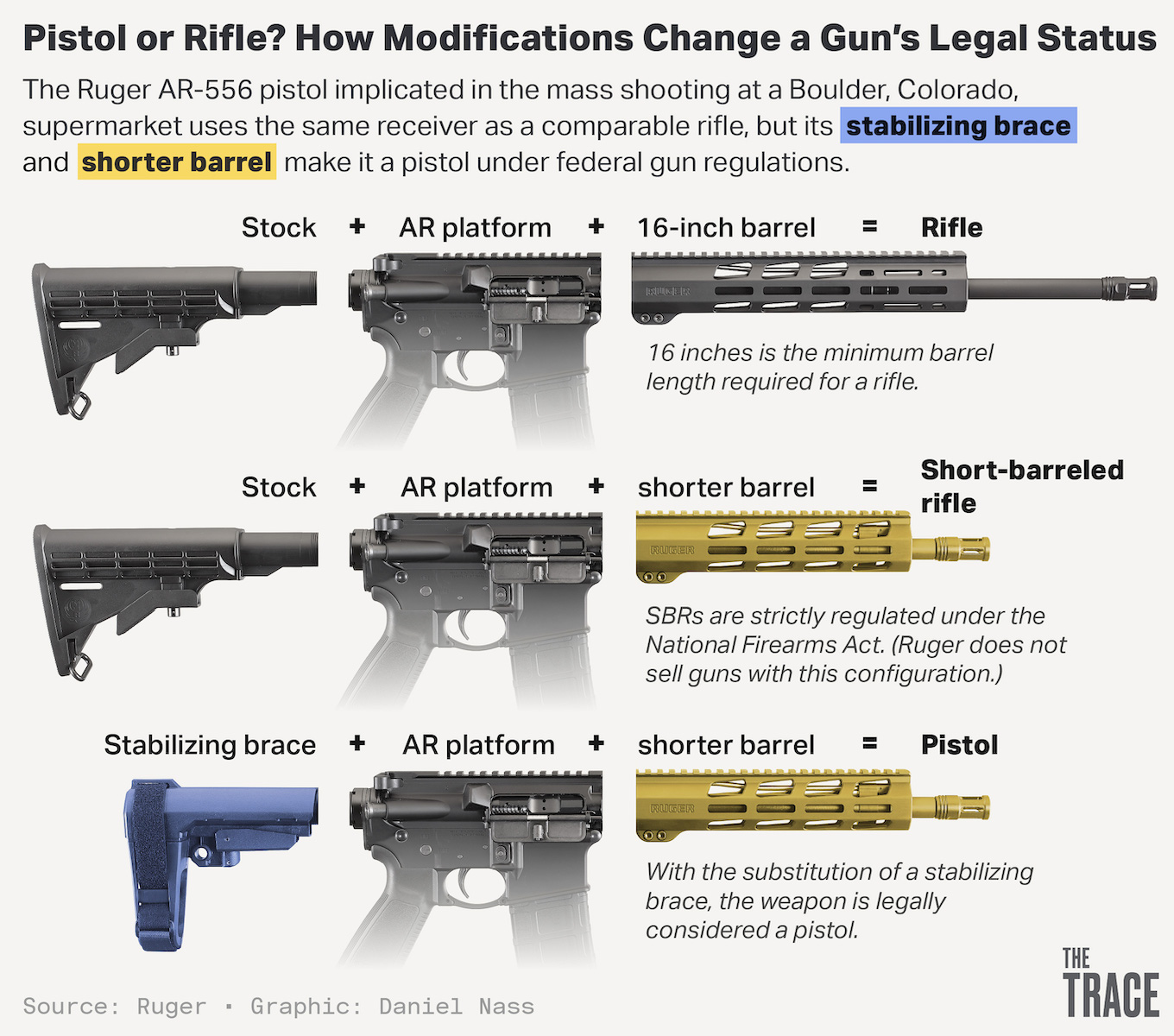
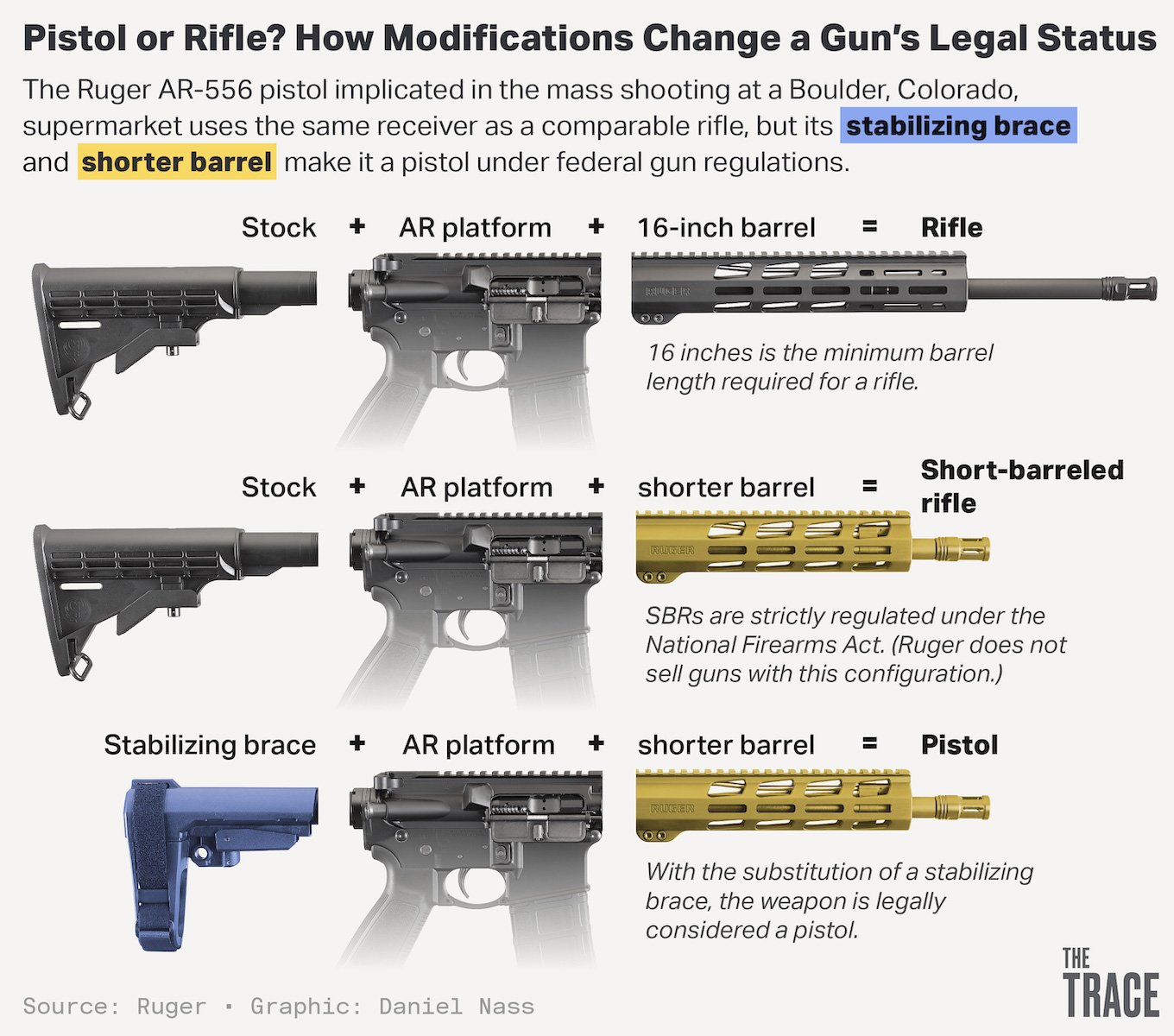
Pistol braces were created with a very clear, practical purpose. They were intended to provide stability when using AR-style pistols, thereby helping individuals with physical limitations exercise their Second Amendment rights more effectively. Initially, the ATF embraced this device as an accessory that did not alter a pistol’s legal standing. In 2012, the agency even stated that the use of a brace did not change a pistol’s classification.
However, over the years, what began as a sensible tool soon became embroiled in a series of regulatory backflips. The following timeline outlines the key moments that led to the eventual chaos:
| Year | Regulatory Decision |
|---|---|
| 2012 | The ATF approved pistol braces, confirming that adding one did not change the firearm’s classification. |
| 2014 | The ATF reiterated that using a brace—even when shouldered—did not alter the pistol’s status. |
| 2015 | A sudden shift implied that shouldering a braced pistol might lead to felony charges. |
| 2017 | A seemingly contradictory stance returned: braces were legal accessories as long as they were not “shouldered,” though the messaging was not fully clear. |
| 2021–2023 | The Biden Administration sought clarity—and instead, introduced a rule that many saw as a ban. |
This table reflects how a device built to empower users was caught in a series of shifts that many found to be overwhelming and riddled with tension. The back-and-forth made it nearly impossible for citizens to figure a path forward without risking violation of the law and facing severe penalties.
The Political and Legal Crossroads: Government Overreach or Necessary Regulation?
As early as 2020, it became evident during discussions with officials that pistol braces were on the administration’s radar as a target for stricter regulation. It was not an accidental policy shift; it was a deliberate decision to challenge the status quo of gun ownership. The rule published in January 2023 was criticized for its lack of clear guidelines and its reliance on government discretion rather than objective criteria.
The rule’s authors moved away from an initial point system that aimed to give firearm owners a chance to assess whether their devices were in compliance. Instead, they replaced it with a vague and subjective test—one that even a seasoned gun owner would find hard to decode. As noted by one court, determining what qualifies as a “braced pistol” became nearly impossible for an average citizen.
Critics argue that this approach was simply a tactic designed to create legal peril for millions of law-abiding Americans. Even conservative estimates suggested there were between 3 and 40 million pistol braces in circulation, meaning that if enforced strictly, countless citizens could have found themselves facing severe consequences for possessing gear that had once been lawfully approved.
Legal Challenges: Sorting Out the Nitty-Gritty of the Court Battles
In response to the regulatory chaos, a host of legal challenges arose. Gun rights organizations such as the Firearms Policy Coalition and Gun Owners of America led the charge, arguing that the rule was not only confusing but also a blatant overstep of administrative authority. In courts around the country, judges called the rule “arbitrary and capricious” and criticized its heavy reliance on subjective judgment without clear factual grounding.
For instance, the Fifth Circuit Court of Appeals found that the rule violated provisions of the Administrative Procedure Act (APA). This ruling underscored the crucial role of the APA in preventing government agencies from imposing ambiguous policies that contain too many fine points for the average person to decipher. In addition, a federal district court in Texas, led by Judge Reed O’Connor, completely vacated the rule, emphasizing its inherently flawed reasoning.
With multiple decisions coming down against the ATF, the judiciary set a strong precedent. These rulings not only rolled back the rule but also sent a clear message that the government must adhere to transparent and objective standards when regulating constitutional rights.
Trump Administration’s Intervention: A Case of Finding a Clear Path
When the Trump Administration took office in January 2025, hopes among concerned citizens were high. Many believed that the new leadership would finally steer through the confusing maze left behind by previous policies. Their confidence was not misplaced. With the dismissal of the appeal in Mock v. Bondi, the DOJ under Trump effectively closed the chapter on a rule that had been seen as a direct threat to Second Amendment rights.
Brandon Combs, President of the Firearms Policy Coalition, summed it up succinctly: “Today is a great day for freedom and the American people. The dismissal of this appeal should be the final nail in the coffin of this unconstitutional assault on gun owners.” His remarks reflected the broader sense of relief among gun owners who had been left to navigate a regulatory framework that, at its worst, threatened severe legal consequences for a device that had long been approved.
This intervention was not just about reversing a policy; it was a reaffirmation of the role of the courts and of clear administrative procedures in ensuring that any regulation impacting civil liberties—including the right to bear arms—is crafted with transparency and fairness.
Implications for Gun Owners: What This Victory Means on the Ground
The termination of the pistol brace rule carries significant implications for American gun owners. This victory is not simply a legal reset; it is a broader statement about how government agencies should operate when it comes to regulating constitutional rights. Here are a few key takeaways:
- Restoration of Clarity: Gun owners now have one less confusing and intimidating regulation to worry about, leaving them with clearer guidelines regarding their firearm accessories.
- Precedent for Judicial Oversight: The court battles underscore that even regulations affecting millions must survive judicial scrutiny and meet the standards set by the APA.
- Empowerment of Citizens: The ruling reinforces that government agencies cannot simply impose new definitions or reclassifications at will without a transparent process that involves public comment and objective criteria.
- Future Policy Directions: This case serves as a cautionary tale for future regulations. It reminds policymakers that the little details matter and that any new rule should avoid the kind of tangled issues that lead to confusion and noncompliance.
For many gun owners, this outcome is a reason to celebrate—but it is also a reminder of the need to remain vigilant. While the pistol brace rule is dead, the battle over firearm regulations is far from over. The episode reinforces the importance of engaging with policymakers, supporting organizations that defend constitutional rights, and staying informed about any future changes that may affect Second Amendment freedoms.
Breaking Down the Challenges: The Tricky Parts of Regulatory Compliance
The 2023 rule forced gun owners into a corner with several daunting choices. They either had to register their pistols as short-barreled rifles—dealing with the associated bureaucracy and fees—or modify their firearms in ways that many deemed both impractical and unnecessary. For those who considered this a price too high, the only options left were to remove the brace, install a longer barrel, or even destroy their firearm entirely. None of these options were appealing or straightforward.
This situation is a classic example of how excessive regulation can create an overwhelming burden on individuals. Many were left scratching their heads, trying to figure a path through a legal maze that seemed designed to trap rather than guide. In practice, the compliance rate was dismally low, with only a small fraction of gun owners managing to complete the required registration process before facing potentially severe legal consequences.
Such outcomes highlight a broader problem: when rules are load with confusing bits and subjective tests, they tend to fail the very people they are meant to regulate. The experience with the pistol brace rule demonstrates that overly complicated policies not only alienate citizens but also risk being discredited by the courts.
Courtroom Lessons: Understanding the Small Distinctions in Administrative Law
The legal challenges to the pistol brace rule have provided a master class in the administration of law. Central to these challenges was the understanding that rules affecting constitutional rights must adhere to a standard of clarity and fairness. The courts consistently found that the rule was lacking in both areas.
Judges pointed to the rule’s heavy reliance on government discretion without sufficient objective criteria. When policies are defined by subjective measures—such as how a “general public” might use a firearm—it becomes nearly impossible for the average citizen to determine whether they are in compliance, no matter how diligent they might be.
Here are a few of the fine points identified by the courts:
- Subjective Criteria: The rule depended too heavily on unverifiable factors, leaving everyday citizens in the dark about what actions might trigger criminal penalties.
- Lack of Objective Standards: Without clear benchmarks, the rule turned what should have been a manageable adjustment into a nerve-racking challenge for law-abiding citizens.
- Overstepping Authority: The courts agreed that the ATF had overreached its regulatory power by attempting to redefine a device that had long been understood to serve a practical role.
These legal observations are especially super important because they provide guidance for future administrative actions. The principles affirmed in these cases ensure that any similar regulatory moves in the future will need to be supported by clear, objective evidence and communicated in a way that allows the public to make informed decisions.
Lessons for Future Regulatory Measures: Working Through Government Policy
The saga of the pistol brace rule is rich with lessons for policymakers and gun owners alike. One of the most important takeaways is that government regulations must be crafted with both clarity and fairness to truly serve the public interest. When rules are overloaded with confusing bits and subjective twists, they risk not only being disobeyed but also being struck down in court.
For legislators and regulators, the following considerations are key when developing future policies:
- Clear Guidelines: Every new rule should include straightforward criteria that can be easily understood and followed by the public.
- Objective Standards: Relying on measurable, factual indicators rather than subjective opinions ensures greater consistency and fairness in enforcement.
- Transparency: The process of establishing new regulations should involve ample public input, allowing citizens to voice concerns and suggest improvements before a rule is finalized.
- Judicial Review: Recognizing the essential role of the courts in checking administrative power encourages a more balanced approach to regulation.
For gun owners and advocates, staying informed about these topics is critical. Understanding the fine shades between what constitutes reasonable regulation and what amounts to government overreach is essential for protecting constitutional rights. Being actively involved in these discussions can help ensure that future measures are designed to protect, rather than impede, lawful citizens.
How This Victory Reinforces the Importance of Judicial Oversight
The demise of the pistol brace rule is a powerful reminder of the role that the judiciary plays in safeguarding individual rights. The courts acted as a check on executive authority by scrutinizing the rule’s convoluted criteria and vague language. This legal intervention illustrates that our system of checks and balances is still robust and capable of curbing excessive administrative power.
Judicial oversight is not just an abstract ideal; it has real-world consequences for millions of Americans. When a government agency oversteps its bounds, it is the courts—interpreting established laws like the Administrative Procedure Act—that step in to set things right. The dismissal of the appeal in Mock v. Bondi marks a turning point where legal clarity finally prevailed over bureaucratic overreach.
This case is a wake-up call for both regulators and citizens alike. It reinforces the idea that regulatory measures must be crafted with care and that any attempt by an agency to impose vague or arbitrary standards is likely to face strong judicial resistance. The message is clear: if the government wants to change the rules, it must do so in a manner that respects the rights and expectations of those it governs.
Reflections on the Role of Administrative Agencies in a Democratic Society
The collapse of the pistol brace rule raises broader questions about the correct balance between regulatory oversight and individual liberty. Administrative agencies like the ATF are entrusted with the task of enforcing the law, but they must also work within the limits prescribed by legislation and the Constitution. When they stray too far from these boundaries, citizens and courts alike have the authority—and the responsibility—to push back.
This episode serves as an illustrative case of how easily well-intended regulatory measures can turn into a source of fear and confusion when key details are mishandled. For many, the rule appeared as a mechanism to criminalize a routine purchase rather than protect public safety. As such, it became emblematic of a wider mistrust in government actions that seem designed to impose burdens rather than resolve real issues.
Ultimately, the fall of this rule is not just a win for gun owners—it is a reminder that in a democratic society, every individual has the right to question and challenge government decisions that impact their lives. Whether it’s through voting, advocacy, or legal action, participation in the democratic process is essential for ensuring that government power is exercised responsibly and transparently.
What Lies Ahead: Remaining Engaged in the Fight for Constitutional Rights
Despite this significant victory, the battle for Second Amendment rights is far from over. The controversy surrounding pistol braces is only one example of the many issues at the intersection of gun rights and government regulation that will continue to arise. To ensure that similar episodes do not recur, it is essential for gun rights advocates and citizens to remain actively engaged in the political process.
Moving forward, here are some ways that individuals can take an active role in shaping future policies:
- Stay Informed: Follow reliable news sources and legal analyses to better understand the developing regulatory landscape.
- Engage in Public Comment: When proposed regulations are open for public input, take the opportunity to provide feedback on the proposed measures.
- Support Legal Advocacy: Organizations that specialize in defending constitutional rights can help fight against poorly conceived policies.
- Participate in Civic Discourse: Attending town halls, writing op-eds, and engaging with local representatives are all ways to ensure that your voice is heard.
- Educate Others: Sharing reliable information and clarifying the small distinctions between reasonable regulation and overreach can empower more citizens to take a stand.
The collective action of engaged citizens has proven in this case that the government cannot simply impose confusing and burdensome requirements without facing accountability. Each person who takes the time to dig into these issues strengthens the defense of the rights guaranteed by the Constitution.
Conclusion: A New Chapter in Regulatory Accountability
The repeal of the pistol brace rule is a landmark victory that resonates far beyond the realm of firearm accessories. It is a clear affirmation that, in our democracy, government agencies must justify their actions with clear, objective, and transparent guidelines. When regulations become loaded with issues and subject to endless reinterpretation, they not only lose credibility but also invite judicial intervention.
This outcome has reestablished a critical balance: while government agencies have a role in ensuring public safety, they cannot infringe upon the fundamental rights of citizens through arbitrary and unclear policies. The decision in Mock v. Bondi is a reminder that every regulatory action is subject to scrutiny and that the courts will step in when those actions cross the line.
For gun owners around the country, this victory brings much-needed clarity and a renewed sense of empowerment. It underscores the importance of vigilance, of holding regulatory bodies to high standards, and of participating actively in the democratic process. As we move forward, let us keep in mind that protecting our constitutional rights often requires a proactive approach, whether that means engaging with the legal system or contributing to public debates on policy.
This is a winning moment—a moment where clear rules and judicial oversight prevailed over regulatory overreach. It is a lesson in how, even when faced with overwhelming and nerve-racking regulatory challenges, persistence and active engagement can forge a path to freedom and fairness.
While mainstream media outlets may not highlight this victory as loudly as they do contentious gun control initiatives, those who care deeply about Second Amendment rights know its true significance. This win is not merely about legality; it’s about setting a precedent that demands accountability, transparency, and fairness in all future regulatory endeavors.
In the end, the journey of the pistol brace rule—from celebrated accessory to controversial regulation and finally to its demise—serves as a critical case study. It reminds us that even in times of political turbulence and legal uncertainty, the core principles embedded in our Constitution stand as a shield protecting individual freedoms. As advocates and citizens, our role is to stay informed, engage in the dialogue, and never allow our rights to be eroded by policies that are more off-putting than they are effective.
May this decision inspire further efforts to challenge similar initiatives, and may it empower all to remain vigilant in defending freedoms that are fundamental to our national identity. Stay engaged, stay informed, and continue to take an active role in ensuring that government power is exercised in a manner consistent with the enduring principles of liberty.
Originally Post From https://www.concealedcarry.com/law/atf-pistol-brace-rule-is-finally-dead-heres-how-we-got-here/
Read more about this topic at
ATF Launches New Era of Reform
ATF Announces Firearms Regulatory Reforms and …
