
Legal Reflections on Privacy, Diversity, and Community Trends in Honolulu
In the bustling heart of Honolulu, a series of legal decisions and community events have caught the public’s eye. From sensitive divorce proceedings to colorful expressions of diversity in public art, local headlines are filled with stories that stir debate. In this opinion editorial, we take a closer look at how recent legal and community developments reveal both the tricky parts of privacy issues in divorce cases and the subtle details in emerging local policies. We will also dig into matters ranging from law enforcement accountability to the updating of vehicular tinting laws. Such topics not only demonstrate local challenges but also illustrate the tangled issues that lie at the intersection of law, community culture, and public policy.
Throughout these events, one sees a pattern: every legal decision and policy update carries with it not only immediate implications but also far-reaching consequences. When we take a closer look at these developments, the fine points of law, public sentiment, and administrative changes become evident—a reminder that behind every headline, there are hidden complexities waiting to be understood.
Legal Implications of Privacy in Divorce Proceedings
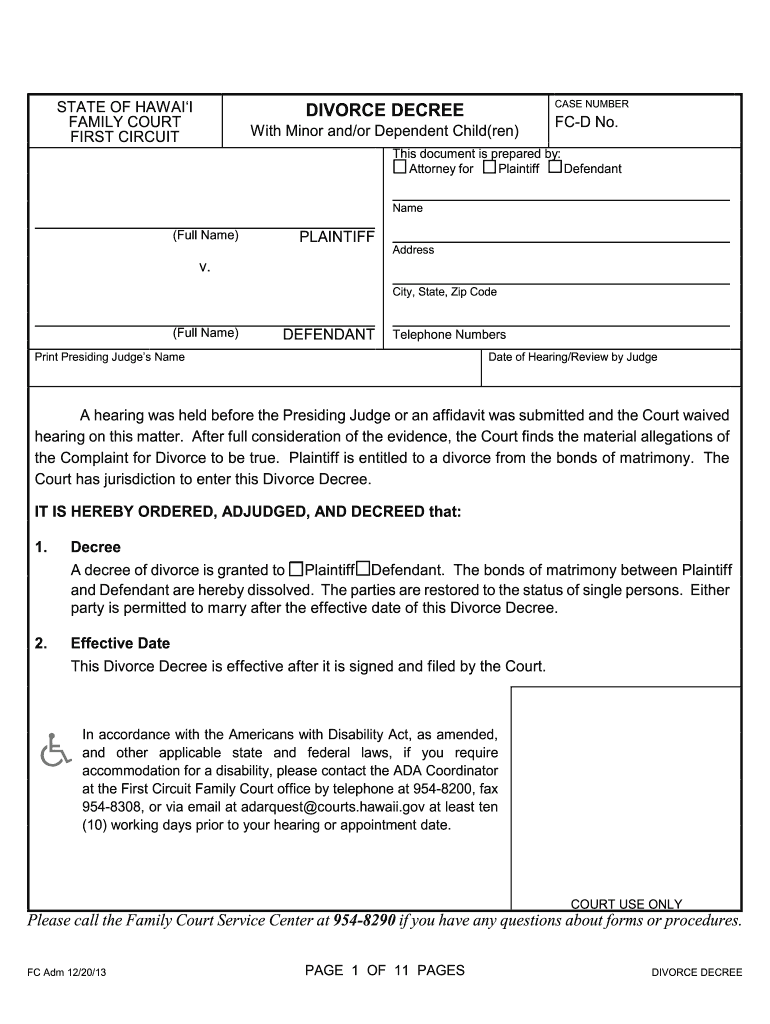
One of the most discussed legal battles in Honolulu recently centered on a divorce hearing in which Judge denied Arielle Konig’s request for privacy. This case shines a light on the complicated pieces of privacy expectations and the public’s right to notice in high-profile divorce proceedings. With both parties appearing virtually, the court’s decision to balance the need for transparency against personal privacy invites us to get into the conversation about whether public scrutiny is fair or overly invasive.
Critics argue that when personal hardships become headline news, the system risks turning a private matter into a public spectacle. The digital age has only amplified this phenomenon. In a court where every twist and turn is recorded and shared instantly, one must ask: How do we protect the personal lives of those involved, while still ensuring that the legal process remains authentic and accountable to the public?
Key legal questions emerging from the Konig case include:
- At what point does the right to privacy overshadow the community’s need for transparency in legal proceedings?
- How do digital platforms affect the delicate balance between personal privacy and public interest?
- What measures can judges take to shield parties from the overwhelming glare of public scrutiny without compromising the legal process?
For many legal professionals, this case is a classic example of how the fine points of case law and evolving technology force us to figure a path through often nerve-racking legal landscapes. Rather than working through these challenges with a one-size-fits-all approach, judges must assess the subtle details of each case, weighing the interests of privacy against the community’s right to know.
Community Expression Through Public Art: Celebrating Diversity
Another story making waves is the unveiling of a new mural that celebrates the diversity of Hawaii’s LGBTQIA+ community. This initiative is more than just an art installation—it is a testament to community solidarity and serves as an essential reminder that art can be an influential medium for expressing social values and cultural pride.
Public art in Honolulu is not new, but the recent mural strikes a chord by embodying the tangible representation of inclusion and freedom of expression. While some may view it simply as an aesthetic gesture, the mural carries with it a layered message: a call for embracing differences, a nod to historical struggles, and a celebration of modern achievements.
The mural also proves that community initiatives, when implemented well, can have deceptive simplicity on the outside while being loaded with issues on a deeper level. The artwork’s fine shades of color and subtle parts of its design spark conversation about tolerance, acceptance, and the continuous fight for equality in legal and cultural spheres.
Notable aspects include:
- Design choices that highlight varying cultural narratives.
- Subtle twists in symbolism which reference historical events.
- Encouraging public discourse on the role of art in community healing.
Such public expressions of pride and community unity are a vital part of how cities like Honolulu evolve. They remind us that while law and order might dictate the boundaries of public behavior, the heart of a community beats strongest in its art and culture.
Assessing Law Enforcement Accountability and Community Trust
The resignation of Honolulu Police Chief Arthur “Joe” Logan and the critical reaction from local councilwoman Andria Tupola provide another opportunity to evaluate public trust in law enforcement. Amid the heated responses, it becomes necessary to probe more deeply into the role of leadership within police departments and the responsibilities they bear towards communities.
When police leadership is called into question, it is not merely an administrative detail—it reflects a broader tension between the law enforcement system and the society it protects. This case highlights the tangled issues of policing in modern times, where every decision is loaded with tension from both the public and political spheres.
A few of the concerns raised include:
- Questions of accountability: How can police departments ensure they are both effective and fair?
- Community oversight: What role should public input play in administrative changes and policy implementations?
- The influence of media: How does real-time news coverage affect public perception of law enforcement?
These questions force both citizens and law enforcement officials to take a closer look at the foundation of their relationship. To sort out these issues, public officials and police departments must work together, digging into both the overt actions and the hidden complexities that often go unnoticed in official statements.
Understanding the Update on Vehicular Tinting Laws in Hawaii
In another piece of local news, recent amendments to vehicular tinting laws have drawn significant attention. For decades, tinting regulations in Hawaii have remained relatively unchanged, with the latest updates aiming to address both safety concerns and aesthetic guidelines. The update is intended to manage public safety, ensuring that vehicles on the road can be easily identified and that drivers maintain a clear vision of their surroundings.
The legal rationale behind these new rules is grounded in the need to balance individual freedom with community standards. While some drivers find these updates intimidating, they are designed to reduce the risk of accidents under low visibility and improve the ability of law enforcement to identify vehicles in emergency situations.
To break down the implications of the new vehicular tinting laws, consider the following table:
| Aspect | Previous Regulation | Updated Regulation |
|---|---|---|
| Visibility | Moderate restrictions | Clearer guidelines for driver and pedestrian safety |
| Law Enforcement Access | Limited scope | Enhanced ability to monitor and respond to emergencies |
| Safety Standards | Some ambiguity | More precise definitions ensuring compliance |
This table clarifies how local lawmakers intend to steer through the tricky parts of implementing regulation changes. The revised standards also serve as an example of how seemingly minor legal adjustments carry key consequences for both public safety and personal freedoms.
Immigration and Border Enforcement: The Case of the Military Wife Detained at Honolulu Airport
Another theme that has sparked debate recently is the handling of immigration and border enforcement in Hawaii. In a case involving a U.S. military wife from Australia, border officials detained and ultimately deported her after treating her as if she were a criminal. Such incidents, widely reported in the news, bring up important questions about fairness and the treatment of individuals who, despite serving alongside U.S. forces, face punitive measures at the border.
While immigration laws in the United States are inherently full of problems, this case underscores the tension between national security and humanitarian considerations. Critics argue that the strict enforcement of immigration rules, especially in cases involving family members of military personnel, is both questionable and in need of review.
Key legal factors to consider include:
- The balance between enforcing immigration policies and upholding individual rights.
- The challenges of working through a system that is often off-putting for those caught in its intricate processes.
- The broader impact on military families, whose unique circumstances may require tailored legal approaches.
In this context, it is essential to figure a path that not only respects the letter of the law but also acknowledges the human element involved in each case. Lawmakers and immigration officials must take a closer look at the current policies and consider whether there is room for reform—reforms that can address the overwhelming expectations of fairness and compassion.
Examining the Intersection of Public Safety and Public Policy in Criminal Cases
Recent reports also include harrowing accounts of violent crimes, such as the police investigation into a shooting near Portlock and a fatal crash in Pearl City. Such incidents serve as critical reminders of the heavy responsibility borne by the legal and justice systems in maintaining public safety.
These cases, which include updates on multiple incidents, reveal how crime stories are often intertwined with pressing questions about public safety and accountability. Investigations into shootings or violent crimes are not just about determining liability—they also involve a broader examination of systemic issues at play, including potential gaps in law enforcement practices and community trust.
When a shooting incident occurs, the legal system must work through a series of challenging steps:
- Identifying the victims and establishing a clear chain of events.
- Managing public disclosures with sensitivity to the suffering of those involved.
- Coordinating with other agencies to create a transparent investigative process.
It is this small distinction between thoroughness and haste that often determines the success of an investigation. Only by carefully considering the little details—such as witness testimony and forensic reports—can justice be served adequately and efficiently.
Understanding Public Response to Controversial Legal Decisions on Capitol Hill
A recent exchange on Capitol Hill involving Hawaii Governor Josh Green and U.S. Senator Bernie Moreno has also captured national attention. The governor’s response, “You didn’t like science for Hawaii,” to criticisms over his handling of COVID-19 responses, illustrates how political rhetoric can be as complex as it is polarizing. It also reflects the nerve-racking challenges that political leaders face when making decisions that affect the health and well-being of millions.
Although some might dismiss such exchanges as mere political banter, a closer look reveals an underlying commentary on accountability and transparency in public office. In these moments, the hidden complexities of public policy are laid bare, inviting both supporters and detractors to work together in rethinking how best to serve the community’s interests during overwhelming crises.
This clash of opinions is emblematic of modern governance, where every decision—however off-putting it may seem at first glance—requires balancing scientific evidence with public sentiment. It underscores the importance of getting into the nuts and bolts of policy-making, ensuring that decisions are not only backed by data but also communicated with empathy for those affected.
Community Empowerment and the Call for Policy Reforms
In parallel with high-profile legal disputes and dynamic political debates, community empowerment remains a constant undercurrent in Honolulu’s social narrative. Whether through public art installations or grassroots protests against certain policies, locals are continuously taking the wheel in shaping the direction of their society.
For those who feel overwhelmed by the ever-changing legal landscape, it is crucial to remember that community voices are super important in steering public policy. The interplay of legal actions and community responses provides opportunities for reform, encouraging lawmakers to better address both the visible and hidden issues that affect citizens’ lives.
Several actionable points for community involvement include:
- Engaging with local government through public hearings and feedback sessions.
- Supporting local initiatives that advocate for judicial transparency and reform.
- Participating in community art and cultural festivals which promote social inclusion.
- Creating informational workshops to help residents understand the subtle details of new regulations.
These steps not only encourage a more active citizenry but also serve as a counterbalance to some of the overwhelming challenges posed by rapid policy changes and technological advancements. They remind us that while legal systems can be intimidating, community solidarity remains a must-have resource in any democratic society.
International Implications and Local Realities
While many of the legal issues discussed here have local roots, it is important to note that similar challenges are emerging on an international scale. Cases like the detention of a military wife or public disputes over privacy during divorce proceedings echo debates happening in various parts of the world. In examining these international implications, we are compelled to take a closer look at the hidden complexities and fine points of policy versatility that seem to transcend borders.
Global lessons can be learned by observing how Honolulu handles these issues. For instance, countries with similar legal frameworks have had success in balancing privacy rights with the need for transparency. They have also managed to work through the confusing bits of international law when it comes to immigration and border enforcement, thereby creating a model that offers both accountability and respect for individual rights.
A summary of international comparisons might look as follows:
| Region | Key Legal Challenge Addressed | Approach Taken |
|---|---|---|
| North America | Privacy in Family Law | Balancing transparency with digital safeguards |
| Europe | Public Safety and Policing Reforms | Community oversight panels and judicial review |
| Asia-Pacific | Immigration Enforcement | Humanitarian exceptions in border procedures |
This table not only highlights similar strategies across borders but also emphasizes the importance of adapting best practices to fit local realities. In Honolulu, as elsewhere, the need to figure a path through regulatory and judicial challenges is both continuous and vital.
Weighing the Broader Impact on Society
Taken together, these stories combine to form a complex mosaic of legal, political, and social issues that are currently shaping Honolulu. There is no doubt that each legal ruling, policy change, or community expression touches on multiple layers of society—each with its own set of confusing bits that residents must understand and appreciate.
As local debates continue, it is clear that the relationship between the law and public opinion is more dynamic than ever. Whether it is the judicial handling of divorce privacy requests, the evolving standards of vehicular regulations, or the community’s reaction to controversial law enforcement decisions, every element plays a part in the broader narrative of public policy.
For citizens, understanding these intersections requires not only an awareness of policy and governance but also a willingness to look into the little details that make each story unique. By doing so, the public can contribute meaningfully to discussions, urging positive changes that ensure legal systems remain both responsive and humane.
Looking Ahead: Challenges and Opportunities for Honolulu
Moving forward, Honolulu stands at a crossroads where legal decisions and community initiatives will together define its future. With rapid technological changes, evolving social norms, and new regulatory updates, residents are called upon to engage actively with their government. Whether it’s by participating in public forums, supporting community art, or voicing concerns over emerging policies, every individual has a role to play.
The path ahead is not without its intimidating twists and turns. However, by educating ourselves about the subtle details of local laws and the fine points of policy reform, we can all help steer through these challenges with confidence. It is a collective effort that requires collaboration between lawmakers, community leaders, and every citizen who cares about preserving a just and equitable society.
A few recommendations for local policymakers include:
- Instituting mechanisms for transparent public review of privacy-related decisions in family law.
- Encouraging community participation in discussions about local law enforcement and safety.
- Investing in public education initiatives to clarify new vehicular regulations and their implications.
- Fostering dialogue between immigration officials and affected communities to ensure balanced enforcement.
These strategies, while simple in concept, require follow-through and dedication. By tackling the tangled issues head-on, local leaders can create policies that not only protect individual rights but also promote overall community welfare.
Final Thoughts: Bridging Legal Policy with Everyday Life
In conclusion, the recent wave of legal decisions and public initiatives in Honolulu offers a detailed snapshot of how law and community culture interweave. From the nerve-racking details of a high-profile divorce case to the illuminating celebration of LGBTQIA+ diversity, and from the update of vehicular tinting laws to the challenging dynamics of immigration enforcement, every issue tells a story of both struggle and progress.
As observers and participants in our local society, we benefit from examining and reflecting on these cases. Whether you are a legal professional, a community activist, or simply an engaged citizen, it is clear that every decision and policy update has its own set of confusing bits and subtle parts that demand your attention. By continuing to stay informed and get into the nitty-gritty of these critical topics, we all contribute to a more understanding and just community.
Ultimately, the evolution of Honolulu’s legal landscape is as much about accountability and justice as it is about compassion and inclusivity. It is a reminder that in every courtroom decision, in every mural painted on public walls, and in every policy introduced, there exists a story laden with both challenges and opportunities. And while the issues may seem intimidating at first sight, it is through active engagement and thoughtful discussion that society can learn to steer through these legal and social labyrinths.
For the people of Honolulu, the road ahead will be filled with both obstacles and breakthroughs. As legislative bodies and judicial authorities continue to figure a path through these topics, it remains super important for all of us to participate, share our perspectives, and demand fairness. In doing so, we ensure that our legal system, while occasionally off-putting and overly complex, ultimately serves the best interests of the community it is meant to protect.
Looking ahead, let us embrace each decision, each policy revision, and each act of community expression as a moment to learn, to debate, and to grow. In this ever-changing legal landscape, remaining informed and involved is not only a duty—it is a rallying cry for a more transparent, equitable, and united society.
Originally Post From https://www.hawaiinewsnow.com/video/2025/06/03/judge-denies-konigs-request-privacy-during-divorce-case/
Read more about this topic at
10 Expensive Private Islands: Luxury Worth Millions
Private Islands Inc – Islands for Sale and Rent
