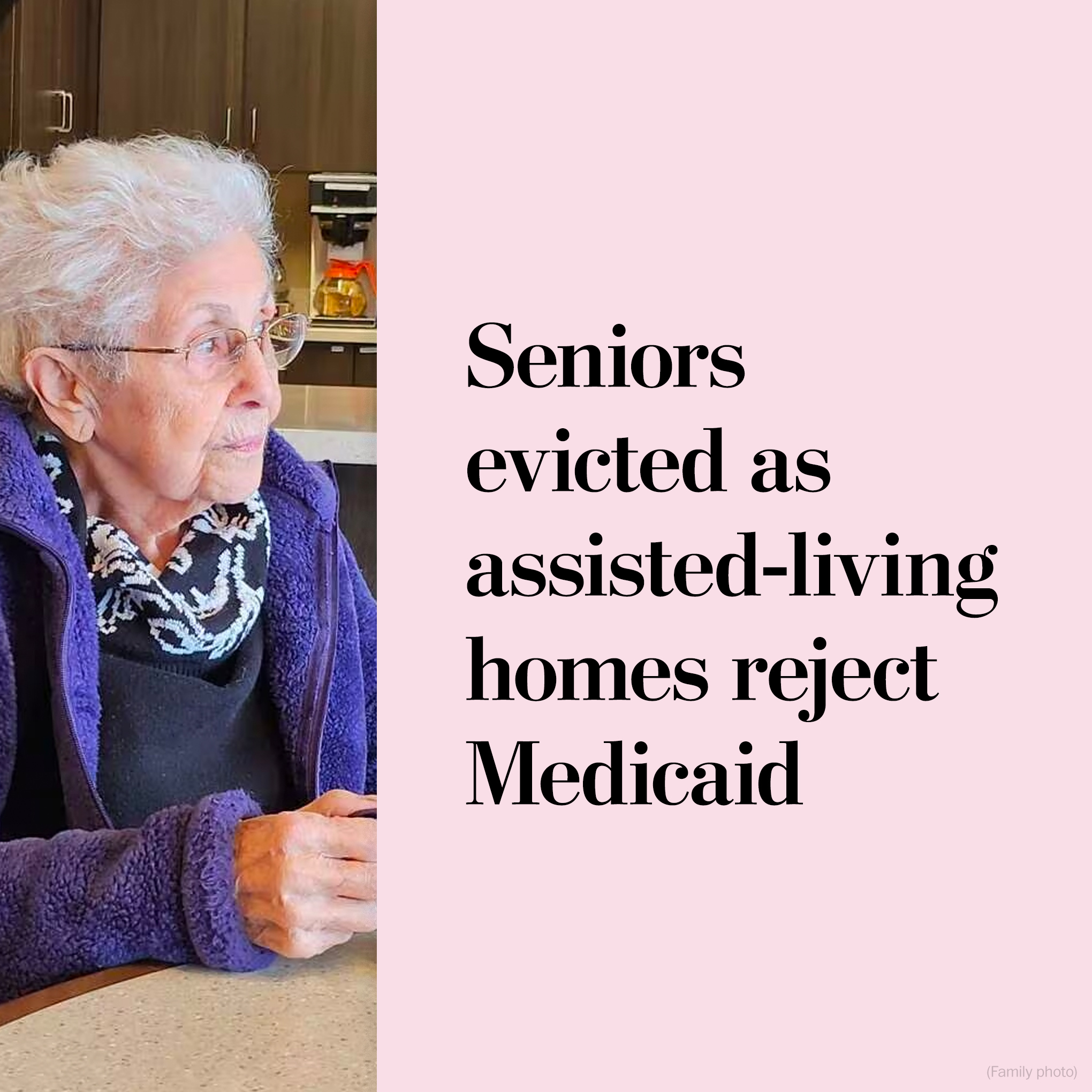
Oasis Living Quarters Under Fire: A Closer Look at the Florida Senior Living Controversy
Recent events in Fort Lauderdale have stirred up heated debates about the treatment of elderly residents in retirement havens. A senior care facility, Oasis Living Quarters, has come under intense public scrutiny by allegedly evicting its long-time residents without proper notification or following correct legal procedures. This move, which appears designed to pave the way for upscale luxury apartments, has left many questioning the ethics and legality of such drastic actions in a community prized for its tranquility and stability.
In this editorial, we take a closer look at the tangled issues involved, explore the subtle details of the legal missteps, and ponder the potential consequences for both the seniors and the housing market at large. Through a detailed examination of the case, the discussion touches on everything from the tricky parts of eviction protocols to the overwhelming legal and ethical responsibilities of property managers in environments full of problems.
Florida Senior Living Facility Eviction Debate: Unpacking the Controversy
The situation at Oasis Living Quarters has set off alarm bells across the state and even drew attention nationally. For a facility known for housing 180 elderly residents, the decision to forcibly relocate these individuals has raised both legal questions and moral dilemmas. Elected officials, legal experts, and human rights advocates have been left to steer through the myriad of issues raised by the case.
This episode calls for a deeper analysis on various fronts, including:
- What legal procedures may have been bypassed when notifying residents?
- The ethical considerations in prioritizing profit over the welfare of vulnerable seniors.
- The potential long-term impact of these actions on community trust and the local housing market.
- The role of building inspectors and regulatory bodies in ensuring compliance with housing laws.
Each of these points reflects just a fraction of the challenges faced when trying to find your way through such tense and complicated situations.
Legal Challenges in Eviction Processes for Senior Living Accommodations
One of the core issues in the unfolding scandal at Oasis Living Quarters is the alleged failure to follow proper eviction procedures. Legal experts argue that the complex pieces of the tenancy laws, coupled with the fine points of notice requirements, demand strict adherence, particularly when the residents are as vulnerable as the elderly.
The legal framework surrounding evictions includes several essential components: timely notice, adequate relocation support, and proper permits. When any of these elements are missing, the process not only becomes legally questionable but also leaves room for public outrage. This situation is further complicated by the fact that many of these rules are loaded with issues, making it nerve-racking for both residents and property managers.
Below is a table outlining the typical steps required in a lawful eviction process, compared with what seems to have gone wrong at the facility:
| Required Step | Standard Practice | Alleged Practice at Oasis Living Quarters |
|---|---|---|
| Notice of Eviction | Advance written notice with clear reasons | Short notice or none at all |
| Legal Documentation | Appropriate filings with relevant authorities | Missing or improperly processed permits |
| Assistance for Relocation | Support services provided for finding alternative shelter | No substantial support provided to the seniors |
| Inspection and Oversight | Regular inspections to ensure residents’ rights are protected | Inspection revealed construction resembling hotel rooms while residents remained |
This outline not only underscores the tricky parts of the eviction process but also highlights how the fine details, when overlooked, can lead to actions that are both intimidating and legally dubious.
Ethical Considerations in the Shift Toward Upscale Developments
Beyond the legal framework, the ethical side of the controversy is equally compelling. Urban redevelopment is often seen as a double-edged sword—while upgrading and modernizing communities can bring economic growth, it can also create significant social challenges, especially when the needs of the elderly are neglected.
For many seniors, a long-standing residence is more than just a place to live—it represents the stability of a familiar environment and the community they have built over years. Removing these residents without fair compensation or adequate relocation strategies can be viewed as a breach of trust. Indeed, this issue digs deep into the heart of urban ethics: balancing profit-driven initiatives with heartfelt responsibility toward some of the most vulnerable members of society.
The conflicted emotional responses can be summarized as follows:
- Grievance: Elderly residents feel betrayed by a system designed to protect them.
- Economic Pressure: Property owners become tempted to prioritize luxurious developments over long-term community stability.
- Community Impact: Long-term residents lose not just homes but also the intangible networks that foster community welfare.
These points illustrate the little twists in ethics that arise when profit margins conflict with the super important needs of a vulnerable group.
Senior Housing Regulation: Policy Reform Options and Necessary Changes
The unfolding events at Oasis Living Quarters provide a stark reminder that the legal and regulatory framework governing senior housing must be re-evaluated. If policies are to protect the interests of elderly residents, they must address the many twists and turns of current market pressures and urban development trends.
Policy reform should consider the following aspects:
- Strict Enforcement: Implementing more rigorous enforcement of eviction procedures to ensure that no resident is displaced without due process.
- Enhanced Support: Developing mandatory relocation assistance programs which include both financial support and counseling for elderly residents.
- Regular Audits: Instituting continuous oversight by independent bodies to monitor compliance with housing laws in senior care facilities.
- Penalties for Non-Compliance: Creating a framework for severe fines and potential shutdowns of facilities that operate off the grid legally and ethically.
These super important changes will not only help protect current and future residents but also set a benchmark for other communities to figure a path toward a more equitable housing model.
Impact on the Local Housing Market and Community Trust
While the immediate focus remains on the rights of the elderly, the broader implications for the local housing market are also worth examining. As the region known for being a retirement mecca transforms with a so-called baby boom, the dynamics between affordable housing and luxury developments become more complicated.
This transformation raises several challenging pieces of questions:
- How will the shift toward upscale housing affect the affordability of homes for seniors?
- What is the long-term impact on community cohesion when residents are routinely displaced?
- How do such actions affect investor confidence and the overall regulatory environment in housing markets?
The loss of trust between residents and property owners can create an atmosphere that’s on edge. Once seniors feel that their safety nets are unreliable, their confidence in the local authorities and the broader housing market may wane. This loss of faith could ultimately stifle investments and lead to a decline in community spirit.
In many ways, the fine shades of this issue reveal how both economic and social factors become interwoven in controversial ways. The local market may witness a temporary windfall from the influx of luxury developments, but the long-term social cost could be far higher.
Community Reactions and the Role of Media in Public Discourse
Media coverage has played a critical role in mobilizing public opinion against the facility’s actions. With headlines like “Outrage as Seniors Are ‘Kicked Out’” resonating widely, various community voices have been vocal on both sides of the argument. The media’s portrayal of the issue has been instrumental in highlighting the confusing bits of regulatory neglect, as well as providing a platform for community outcry.
The public response has been shaped by several key facets:
- Social Media Campaigns: Platforms have seen a surge in posts and comments, with hashtags echoing sentiments of betrayal and injustice.
- Local Protests: Several community gatherings have taken place, where residents demand not just answers, but urgent reforms.
- In-Depth Coverage: Investigative reports by regional newspapers and online platforms are exposing the fine parts of the eviction process in full detail.
Media outlets have dug into the story by interviewing affected seniors, legal experts, and local officials. This multi-stakeholder approach offers a comprehensive picture of the situation and serves as a powerful reminder of the public’s right to demand accountability from those in power.
Exploring the Role of Building Inspectors and Regulatory Agencies
An interesting aspect of the latest controversy is the involvement of a building inspector who described ongoing construction at the facility as resembling “much like hotel rooms.” This revelation has shifted the focus towards how regulatory oversight is conducted, particularly in environments that call for extra caution given the age of the residents.
Regulatory agencies are charged with the super important role of ensuring that living conditions meet set legal standards. However, in cases like this, the interplay between rapid urban development and the preservation of existing residential rights creates a tangled web of challenges. Some of the key questions include:
- Was the inspector’s report sufficiently acted upon by the relevant authorities?
- How often are these facilities audited, and is the process robust enough to catch all potential violations?
- What additional powers should regulatory bodies have to intervene quickly in situations where residents’ rights are at risk?
These interrogatives reveal both the hidden complexities and slight differences in practice that can make or break the lives of those affected. Strengthening the oversight mechanism could ensure that similar instances of vague or off-putting planning do not occur in the future.
Lessons Learned and the Way Forward for Elderly Care
This alarming case provides valuable lessons on several fronts. First and foremost, it serves as a potent reminder that protecting the rights of the elderly requires constant vigilance by legislators, regulators, and society as a whole. Such stories encourage us to rethink our approach to retirement communities and the importance of enforcing strict residential protection laws.
In light of this, the following steps may offer a pathway forward:
- Community Fixation on Senior Rights: Prioritize the creation of neighborhood committees or oversight groups tasked with monitoring the welfare of residents in senior facilities.
- Legal Education for Residents: Educate elderly residents on their legal rights and the warning signs of unfair eviction practices so they can better figure a path through legal challenges.
- Strengthening Partnerships: Build stronger alliances between legal advocacy groups and housing regulators to ensure a prompt response to any similar future incidents.
- Policy Transparency: Mandate greater transparency in redevelopment plans for senior communities, ensuring that resident consultations become a standard part of the process.
As we take a closer look at the priorities for a more secure future, it becomes clear that any attempts at regimentation must balance the pressing economic interests with the intimate responsibilities we owe the elderly community. Only then can society truly manage its way through the difficult pieces of urban redevelopment without leaving vulnerable populations behind.
Long-Term Implications for Urban Redevelopment and Social Justice
The controversy stoked by the unfolding events at Oasis Living Quarters poses questions that extend far beyond the immediate legal and ethical dimensions. Urban redevelopment is evolving, and with it, the structure of communities is being reshaped in ways that might not always be in the best interest of all residents.
The drive to gentrify areas—even those designated as retirement havens—often leads to:
- A clash between old and new values, wherein long-standing community traditions are replaced by a profit-focused model.
- An increase in property values that, while beneficial to some, can marginalize those on fixed incomes.
- A rise in tension and mistrust between residents and developers, as legal and ethical boundaries are tested and sometimes broken.
These observations highlight the need for a comprehensive review of current practices in urban renewal. Without appropriate safeguards and community input, well-intentioned rebranding efforts risk sowing seeds of discord and inequality that may resonate for years to come.
Critical Analysis: Striking a Balance Between Economic Growth and Social Responsibility
At the heart of the matter lies a difficult balancing act. On one hand, there is a growing demand for luxury housing in historically stable retirement communities. On the other hand, the rights of elderly residents cannot be simply cast aside in favor of speculative gains. The tension between these competing interests is loaded with issues, making it a nerve-racking topic of debate.
This dilemma forces all stakeholders—including developers, local government officials, and community members—to take a closer look at what ethical practices should look like in today’s changing economic landscape. As communities strive to upgrade and innovate, it is essential that no one is left to bear the costs of these transitions.
Developers must figure a path that integrates innovative design and higher-end amenities while still ensuring that the current residents are treated with dignity and fairness. Transparent communication, community engagement through public hearings, and a commitment to maintaining certain affordable housing measures within new developments may help mitigate some of these tricky parts.
Examining the Legal and Social Safeguards for Vulnerable Populations
The plight of the elderly residents at Oasis Living Quarters underscores the need for stronger legal and social safeguards. Given that many residents in such facilities often have limited financial resources, they are especially susceptible to exploitation. The current situation shines a light on the gaps in existing policies that should be addressed swiftly.
Here are some points to consider when assessing the necessary safeguards:
- Improved Legal Recourse: Streamlining the eviction process in a manner that includes mandatory legal assistance can be a key step in protecting residents.
- Stricter Oversight: More frequent inspections and audits by independent bodies could help catch and resolve issues before they escalate.
- Community Advocacy: Establishing a network of advocates and legal experts specifically for senior housing can provide a support structure that stands between vulnerable populations and exploitative practices.
- Fair Compensation Measures: Implementing policies that require fair compensation or alternative housing arrangements when forced eviction is unavoidable should be top of mind.
These measures are not only key from a legal standpoint but are also essential in maintaining community integrity and ensuring that our senior citizens receive the respect and protection they deserve.
Contextualizing the Issue: Societal Values and the Future of Senior Housing
This case provides an insight into broader societal challenges regarding our treatment of the elderly. As urban areas evolve, so too do the expectations of modern living. For many, the idea of relocating long-time residents for a brief window of economic opportunity is not just an operational misstep—it is a reflection on our collective values.
Some aspects to consider include:
- Respect for a Lifetime of Memories: Seniors accumulate not only a physical residence but an entire history and a network of relationships that must be honored.
- Economic vs. Human Costs: While new developments may boost local economies, the human cost of displacing elderly residents can far outweigh monetary gains.
- Building a Legacy of Compassion: Communities that prioritize the welfare of their seniors set a positive precedent for future generations.
The delicate interplay of legal responsibilities, ethical commitments, and economic ambitions is full of problems. Thus, as the debate rages on, it is crucial that all discussions are steered by compassion and a deep understanding of the small distinctions between profit and protection.
Finding a Balance: The Path Toward Equitable Housing Solutions
In our quest for a more economically vibrant future, it is critical that we do not sacrifice the care and dignity of our elderly residents. The situation at Oasis Living Quarters should serve as a call to action for policymakers, community leaders, and legal experts alike. It is time to align redevelopment strategies with community well-being, ensuring that measures are put in place to fairly protect those who have long relied on these safe havens.
Working through this challenging scenario involves several key steps:
- Steps to Strengthen Legal Protections: Legislators must work closely with legal experts to revise existing eviction protocols, making sure they address the unique circumstances of senior housing.
- Enhancing Community Engagement: Encouraging regular dialogue between developers and residents will help bridge the gap between modern development needs and traditional community values.
- Boosting Oversight Measures: Empowering independent regulatory agencies to step in without delay can prevent similar instances of neglect in the future.
Each of these steps, though seemingly simple, contains its own set of confusing bits and tangled issues. Nevertheless, if implemented thoughtfully, they can help transform the landscape of senior living into one that is both progressive and compassionate.
Concluding Reflections: The Future of Senior Living Amid Rapid Change
The events unfolding at Oasis Living Quarters not only highlight the immediate legal and ethical concerns of forced evictions—they also serve as a mirror reflecting broader societal challenges. The transformation of retirement communities in Florida is a microcosm of a global trend where aging populations are at risk amid surging urban redevelopment and shifting economic priorities.
As this opinion editorial dig into the matter, it becomes apparent that the issues at hand are neither black nor white. Instead, they present a palette of intertwined dilemmas, each requiring careful consideration, legal precision, and moral accountability. We must figure a path that not only stops short of immediate injustice but also builds a sustainable framework for the future – one where the rights and dignity of all residents, especially our seniors, are fully respected.
In wrapping up our analysis, it is imperative that every stakeholder—from policymakers to developers, regulators, and community advocates—recognizes that the protection of elderly residents is a super important matter transcending economic incentives. The enforcement of transparent, fair, and legally sound procedures in senior housing stands as a must-have backbone for communities striving to adapt to the evolving urban landscape.
The lessons learned from the Oasis Living Quarters controversy should serve as an enduring legacy: a call to rethink, reform, and ultimately rebuild a system that is just, humane, and resilient in the face of the unpredictable twists and turns of modern urban development. Only by addressing not just the legal and ethical left-over tangled issues, but also by committing to deep community engagement, can we ensure that our senior citizens enjoy the safety and respect they have long earned.
As we move forward, may the experiences at this Fort Lauderdale facility remind us all that every policy change, every redevelopment project, and every legal decision must be measured not merely in terms of economic growth, but also by the strength of the social bonds and the compassionate framework that binds our communities together.
Final Thoughts: Charting a Compassionate Course for Future Developments
In conclusion, the saga of forced evictions at a renowned Florida senior living facility underscores the pressing need for reform on multiple levels. It is a multifaceted issue—full of problems, confusing bits, and subtle parts—that calls for a proactive and empathetic response from everyone involved.
By taking a closer look at the legal missteps, ethical dilemmas, community impacts, and regulatory shortcomings, we find that the path toward a more equitable future is both challenging and super important. Stakeholders must work together to not only address the issues at hand but also to build resilient frameworks that safeguard the dignity of our seniors while accommodating the inevitable tides of change in urban development.
As our society continues to navigate these nerve-racking transitions, let the lessons from this controversy serve as a reminder that every decision carries with it a responsibility—a responsibility to ensure that progress does not come at the expense of those who built the very communities we now seek to modernize.
Ultimately, by recognizing both the tangible legal requirements and the subtle ethical imperatives, we can foster an environment where economic vitality and social justice move forward hand in hand. This balanced approach will be key to preserving the cherished way of life in our retirement meccas, ensuring that even amid rapid transformation, no member of our community is left behind.
Originally Post From https://www.abdpost.com/outrage-as-seniors-are-aposkicked-outapos-of-their-homes-in-retirement-mecca/385661/
Read more about this topic at
Gentrification and Chronic Conditions in Older Adults
Older Adults and Gentrification: The Positive Role of Social …
