Guiding Clients Through the Tricky Parts of Asset Division in Divorce
Divorce is not just about an emotional break-up—it’s equally about dealing with the financial twists and turns that can complicate what should be a mutually beneficial resolution. As a financial advisor with years of experience, I have seen how essential it is for clients to get organized early to steer through the tangled issues of asset division. In this opinion editorial, I share insights on how individuals can protect their financial well-being by understanding key categories of assets, setting practical priorities, and enlisting the right team of professionals to avoid unnecessary legal disputes.
Below, I will explore the three main aspects of financial planning during divorce, focusing on clear-cut income analysis, the separation of premarital versus marital assets, and ensuring a lasting legacy for the family. By taking a closer look at these areas, both advisors and their clients can avoid the pitfalls of heated, emotion-driven decisions, making the process less intimidating and more manageable.
Getting Financially Organized Early: The First Step to a Fair Outcome
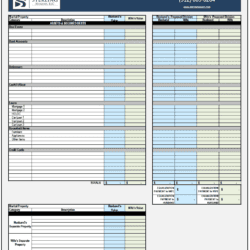
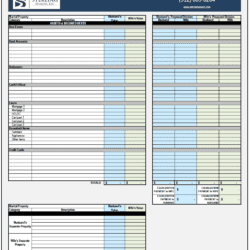
When I first work with clients entering a divorce, my initial step is not to express sympathy but to advise them to get organized. This is critical because attempting to divide assets amid emotional turmoil can lead to off-putting and hasty decisions that may hurt financial stability in the long run. Getting organized means listing out all assets and liabilities, understanding income streams, and tracking expenses, so that no financial stone is left unturned.
The sooner clients start to figure a path through their finances, the quicker they can avoid the nerve-racking outcomes often seen when decisions are driven by anger or fear. Clients need to transition from thinking about money as “his” or “hers” to looking at finances in three distinct buckets:
- Income potential and sustainability
- Separate (premarital) assets versus marital property
- Family legacy and long-term interests
This framework provides clarity and sets the stage for fair asset division, ensuring that both parties have a proportionate share and that any decision is rooted in well-organized financial reality rather than an emotional response.
Breaking Down the Three Buckets of Asset Allocation
Analyzing Income Potential and Past Contributions
One of the first hurdles many individuals face during divorce is understanding the intricate financial picture framed by income potential. It’s not just about who earned more during the marriage; rather, it involves assessing how long each partner has contributed to the household economy and how future earning capacity may be affected by the separation.
For example, consider a scenario where one partner has spent decades nurturing the home while the other built a successful business. Here, the future income potential needs to be carefully weighed. Listing the following elements can help:
- Current salaries and potential future raises
- Lifetime contributions, including investments and stock options
- Non-monetary contributions such as home-making and family care
By systemically reviewing these points, it becomes easier to appreciate the subtle differences in each partner’s financial role and responsibilities. This approach ensures that the division of assets is balanced and that the non-working partner is not left at a disadvantage after years of dedication to family welfare. Financial advisors often recommend engaging a forensic accountant to get into the nitty-gritty of the numbers, confirming how much each partner truly contributed to the family’s net worth. Such verification serves as a critical backup during mediation and legal negotiations.
Distinguishing Between Premarital Property and Assets Built in Marriage
A significant aspect of divorce financial planning revolves around categorizing assets as either separate or marital. Understanding this distinction is often loaded with tension, as it involves reviewing complicated pieces of financial data to determine what existed before the marriage and what was built together during the union.
To clarify:
- Premarital Assets: These include any individual property, investments, or financial holdings acquired before the marriage.
- Marital Property: These cover gains and assets accumulated as a result of joint efforts and can include growth in investments and business expansion that occurred during the marriage.
For many clients, the realization that significant financial growth pertains to marital property—even if one partner was less directly involved in daily financial contributions—can be a shock. One client, for instance, had been married for almost two decades and was unaware of how much value her husband’s business had built during their time together. Once the contributions were laid out on paper, the numbers painted a clear picture, prompting a fair and informed reallocation during negotiations.
In some cases, getting organized with this information early can illuminate subtle parts of the financial history that may have been easily overlooked. For instance, assets such as retirement accounts, shared investments, or even a family-owned condo might have grown more during the marriage than it seems at first glance. The process of disentangling these assets is not always straightforward—it involves careful documentation and sometimes professional help. It’s important that both sides use reliable documentation to steer through the fine points of their financial history.
Securing a Legacy: Family Interests Beyond Immediate Division
Divorce is more than just a legal dissolution—it often impacts the family legacy, especially when children are involved. Beyond merely splitting assets, it is essential to consider long-term implications, such as educational opportunities for children, retirement security, and the preservation of the family home if possible.
Legacy planning during divorce might include:
- Structuring trusts or custodial arrangements to safeguard children’s financial future
- Adjusting life insurance policies to reflect new responsibilities
- Ensuring that the division of retirement accounts preserves a comfortable post-retirement standard of living
This broader perspective is especially critical in avoiding future financial instability. For many clients, even after a divorce, the goal remains to provide a secure financial foundation for their children and ensure that the family legacy endures. By taking the time to work through the details and plan with foresight, clients can make decisions that secure both their personal financial futures and the continuity of their family’s economic well-being.
Real-World Examples: Learning from True Cases
The principles discussed here are not just abstract ideas—they have been proven effective in real-world cases. Let’s take a closer look at two client scenarios that highlight how a clear financial framework leads to fair asset division.
Case Study 1: Uncovering Hidden Value in Business Growth
A client, married for 18 years with three children, had primarily managed the home while her husband ran his business. Initially, she had little knowledge about the contents of their joint investment accounts. By categorizing assets into the three essential buckets—income potential, separate versus marital property, and family legacy—she was able to see the real contributions made during their marriage. When a forensic accountant was brought in to tally the numbers, she discovered that a significant portion of her partner’s business growth was, in fact, marital property. This newfound insight provided her with essential leverage during mediation, ensuring a more equitable outcome.
| Asset Category | Description | Outcome / Consideration |
|---|---|---|
| Income Potential | Assessing each partner’s earnings history and future potential | Helped quantify non-monetary contributions |
| Separate vs. Marital Assets | Determining what was owned before and what grew during the marriage | Identified marital property to be fairly divided |
| Legacy Planning | Ensuring long-term security for the children and future financial health | Secured financial provisions for her children |
This example shows the benefit of systematically “digging into” the past records to bring clarity and fairness into what can be an overwhelming mix of financial details. It emphasizes that understanding each owner’s role and contribution can transform how assets are divided—turning nerve-racking negotiations into informed discussions that benefit both parties.
Case Study 2: A Peaceful Separation With Focus on Teen Daughters
In another instance, a couple decided that easing the divorce process to shield their teen daughters from emotional turmoil was a top priority. They began by drafting a “decoupling plan” that reviewed their savings accounts, retirement plans, and a beloved family condo. Although the process was not without its tricky parts, framing it as a financial puzzle rather than a battleground made a huge difference. Both partners met with their financial advisor and legal counsel, and by working together, they found a fair and balanced split of their assets without incurring costly legal fees.
This peaceful resolution was achieved by focusing on these key points:
- Identifying all tangible and intangible assets early
- Breaking down the financial information into manageable categories
- Emphasizing the need to protect the family legacy for the children
Here, the primary lesson was the effectiveness of approaching a tense situation as a series of manageable, clear segments. By turning the process into steps, the couple was able to work through each issue separately, rather than being overwhelmed by the overall tension of divorce. This case illustrates that optimal planning combined with cooperation can lead to outcomes where both parties feel respected and secure in their financial future.
How to Build the Right Support Team: Professional Guidance is Essential
The right team of neutral professionals can make, arguably, the biggest difference in ensuring a fair and smooth asset division. It’s essential to find experts who can collaborate well with one another and provide objective advice on financial, legal, and emotional matters. In many cases, my clients benefit from having a Certified Financial Planner (CFP) who may also be a Certified Divorce Financial Analyst (CDFA). This expert can handle the heart of the financial review while working closely with a family mediator or attorney as needed.
Key attributes to consider when assembling your team include:
- Neutrality: Professionals must act as unbiased third parties, ensuring both sides are treated fairly.
- Expertise: Look for advisors with direct experience in divorce financial planning and a track record of success.
- Collaboration: Your advisor needs to be comfortable working hand in hand with legal professionals, mediators, and accountants.
- Communication: Clear, jargon-free communication is vital to help both parties understand the financial implications of various decisions.
This team approach not only helps reduce the overwhelming stress of the process but also makes sure that every financial twist and turn is accounted for. With everyone on the same page, it becomes much easier to sort out differences and work towards a solution that is both equitable and sustainable.
Additionally, having a team that can articulate the subtle details and fine shades of the financial issues at hand transforms a potentially nerve-racking legal battle into a cooperative problem-solving session. This collaborative atmosphere ultimately leads to decisions that are fair and beneficial in the long term.
Strategies for a Fair and Balanced Outcome: Practical Steps for Clients
Looking at the bigger picture, there are several practical strategies that clients can employ to ensure a fair asset division. Many find that by breaking the process down into clearly defined stages, the overwhelming process becomes easier to manage. Here are some actionable steps:
Step 1: Start With a Complete Financial Inventory
Before any negotiations begin, clients should compile a detailed list of all assets and liabilities. This includes:
- Bank accounts, investment portfolios, and retirement plans
- Real estate holdings, personal property, and business interests
- Debts, loans, and ongoing financial obligations
By creating a comprehensive inventory, clients can figure a path through the confusing bits and spot any hidden complexities early on. This list forms the foundation of all subsequent decisions and provides a reliable starting point for mediation or legal discussions.
Step 2: Categorize Assets Into the Three Key Buckets
As discussed, organizing assets into income potential, separate and marital property, and family legacy can help simplify many of the tedious pieces of financial evaluation. Moreover, it encourages both parties to see beyond the immediate dilemma and consider long-term impacts. Financial planners often use diagrams or flowcharts to visually represent these buckets, making it easier to comprehend the overall picture.
Step 3: Engage Professionals Early and Often
Once you have a clear list and classification of assets, the next step is to bring in the right professionals. Here’s how to build a competent team:
- Hire a Neutral Financial Planner: Look for someone experienced in divorce cases who can help fairly assess the financial scenario.
- Consult a Family Mediator or Attorney: Having legal expertise ensures that all decisions are compliant with state laws and that your rights are protected.
- Consider a Forensic Accountant: In cases where undisclosed assets or discrepancies arise, a forensic accountant can verify hidden figures for a transparent valuation.
This proactive approach can significantly reduce the intimidating feeling that accompanies divorce proceedings, replacing uncertainty with a clear, objective path to resolution.
Step 4: Keep Emotions in Check With a Clear Financial Framework
Divorce is inherently tense, but by focusing on the financial details and treating asset division as a series of practical problems to solve, clients can mitigate emotional reactions. This shift in focus—treating the process as working through a financial puzzle—helps ensure that every decision is backed by rational analysis and factual data rather than sentiment.
Some advisors even recommend setting aside dedicated “cooling-off” periods between negotiations to review new information and avoid knee-jerk reactions. By doing so, clients are more likely to achieve a balanced outcome that reflects fair distribution rather than an enforced compromise born of temporary feelings.
Dealing With Legal and Regulatory Challenges in Divorce Asset Division
The financial planning process during divorce is also intertwined with legal challenges that can create additional obstacles. Regulatory frameworks and state-specific rules on asset division can sometimes add another layer of overwhelming detail to the process. Working through these tricky parts generally involves:
- Reviewing State Laws: Laws vary significantly, and clients should be aware of how their state treats marital versus separate property.
- Understanding Tax Implications: Asset division can have lasting tax consequences—understanding these effects ahead of time is super important.
- Establishing Clear Documentation: Meticulous record-keeping can prevent future disputes and ensure the decision is legally binding.
By combining legal expertise with clear financial organization, clients can anticipate and manage these legal challenges. This not only streamlines the process but also minimizes the risk of unexpected issues arising later on. In practice, when lawyers and financial advisors work together smoothly, clients are more likely to achieve a fair resolution that respects both the letter and the spirit of the law.
A common approach adopted by professionals involves creating detailed agreements that outline every asset category, disputed items, and their proposed resolution. Such documentation can be supported by expert testimony or accounts from forensic experts—providing a comprehensive set of data that can be presented during legal proceedings.
Managing Emotional Stress and Financial Uncertainty
It is no secret that divorce is loaded with tension, especially when emotions and money collide. The process of asset division can feel like a nerve-racking ride, where every decision seems to carry disproportionate consequences. However, intentionally separating the emotional aspects from financial decision-making is key.
Here are some tips to help manage this stress:
- Focus on Facts: Rely on documented financial data rather than feelings alone.
- Take Regular Breaks: Allow time to process the information at a comfortable pace.
- Seek Professional Counseling: Therapy or support groups can offer helpful insights into separating emotion from financial logic.
- Maintain Perspective: Remember that ultimately, securing long-term financial and emotional well-being is the goal.
By approaching the process in discrete, manageable steps, clients can gradually come to terms with both the financial re-allocation and the emotional shifts that the divorce process triggers. This not only ensures a more balanced approach to asset division but also fosters a healthier mindset moving forward—a valuable dual outcome in such a trying period.
Long-Term Considerations: Setting Up a Future Beyond Divorce
While the immediate challenge is to divide assets fairly, forward-thinking clients also consider how the outcome affects their future. Successful planning is not just about managing the current situation, but also about setting the stage for financial independence and stability in the years to come. Such considerations often include:
- Reassessing Retirement Plans: Understanding how the new financial reality affects long-term savings and retirement goals is a key step in financial planning.
- Budget Rework: Divorced individuals often need to create new budgets that reflect the changes in income and asset division.
- Investment Strategy Revision: It may be necessary to reconfigure the investment portfolio to align with new financial priorities and risk tolerance after divorce.
- Debt Management: Post-divorce, it can be critical to revaluate existing debts to ensure they are manageable in a single-income or changed income scenario.
Establishing a concrete plan to deal with these future challenges can alleviate much of the initial overwhelming sentiment. By putting a spotlight on long-term financial education and planning, advisors and clients can work together to set up a future that is structured, secure, and resilient against the unpredictable twists that life may throw their way.
Final Thoughts on Managing the Emotional and Financial Storm
Divorce undoubtedly entails a mixture of emotional and financial challenges, with each layer of decision-making accompanied by tricky parts, confused bits, and unexpected legal twists. However, by adopting a concrete, organized financial framework and categorizing assets into key buckets such as income potential, property division, and family legacy, both clients and financial advisors can successfully address these challenges.
The process calls for diligence, the early engagement of professionals, and, above all, a commitment to keeping emotions in check while focusing on factual data. By taking the time to figure a path through the maze of financial details and legal regulations, clients can set the stage for a balanced financial future—one that not only meets immediate needs but also safeguards long-term security.
For those facing the daunting prospect of asset division during divorce, remember that every confusing piece of information can be turned into a stepping stone with proper organization and expert guidance. Whether it’s through systematic documentation, engaging the right team, or setting aside dedicated time to review finances, there is always a way to transform alarm and uncertainty into clarity and equitable outcomes.
Ultimately, a fair asset division is within reach when both parties and their advisors commit to a transparent process—one that emphasizes clear communication, documented facts, and a shared vision for a financially secure future. This not only helps protect individual interests but also ensures that the legacy of a once-shared life carries forward in the form of sound financial principles and a stable family future.
In conclusion, while divorce may be full of problems and loaded with tension, the systematic approach outlined here can reduce the intuition-triggered, intimidating responses that often cloud financial judgment. By organizing finances, sorting out the fine details with the help of experts, and planning for the long haul, those going through divorce are better equipped to secure a fair, rational division of assets and build a promising financial future.
For financial advisors, the challenge is not only to advise but to empower. It is essential to help clients understand that every complicated piece of their financial life can be tackled when approached step-by-step. With the right preparation and a clear, methodical strategy, both legal and financial storms can eventually lead to calmer seas and a secure footing for the next chapter in life.
Originally Post From https://www.investopedia.com/fa-one-thing-splitting-assets-during-divorce-11743165
Read more about this topic at
Strategic Divorce Solutions: Financial Advice, San Carlos, CA
About Us – Strategic Divorce Solutions
